Dreamweaver in Murano

Glass is not a relic of a forgotten past, collecting dust on grandparents windowsills and abandoned in museums. Glass is alive. Glass is dangerous. And today, glass is a radical material for confronting the digital era. Welcome to see Dreamweaver exhibition to The Venice Glass Week 2024!
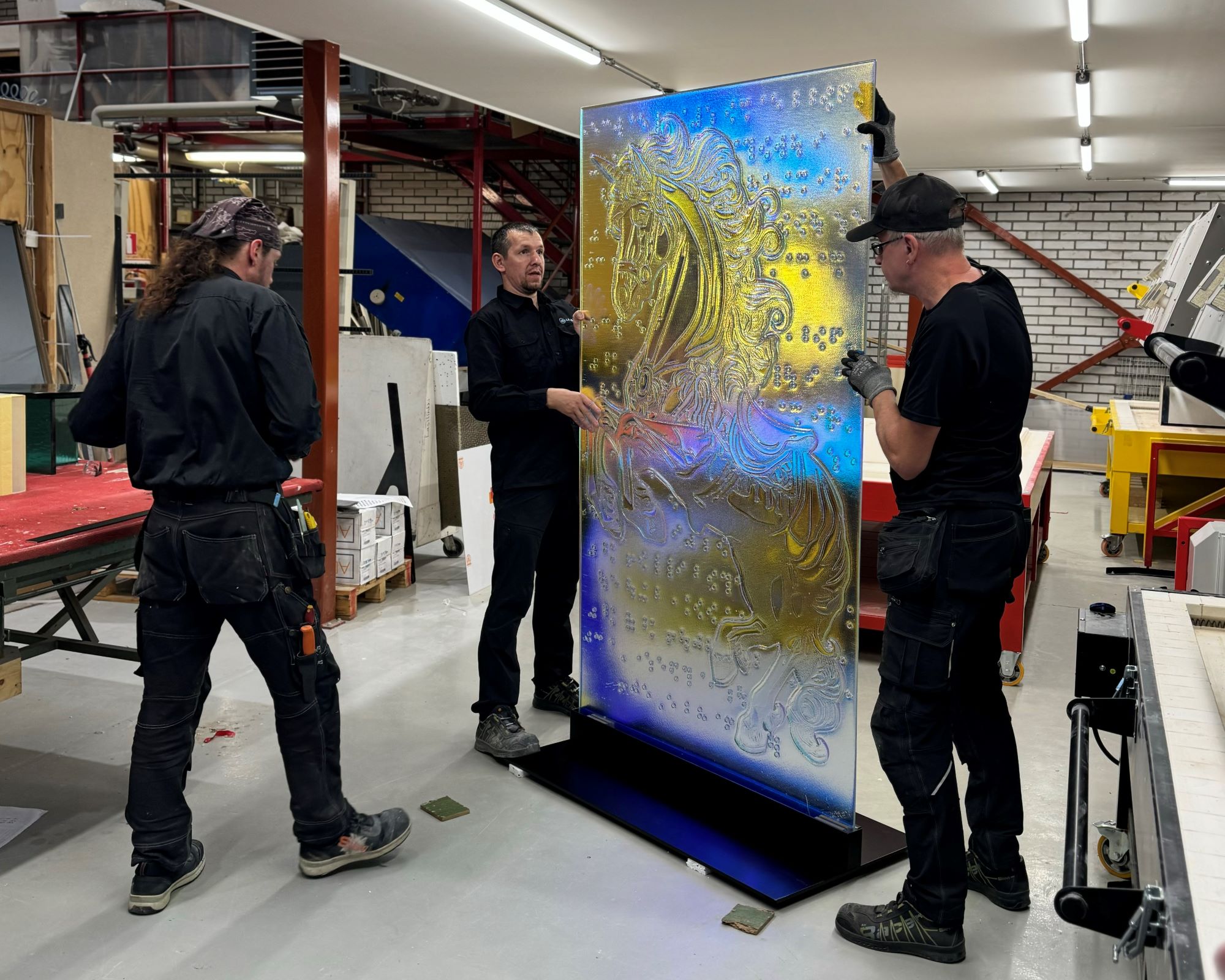
Essis by Lasilinkki in Kuopio crafted the monumental, over two-meter flat glass sculptures. In their studio, which specializes in architectural glass, they craft high-quality works with rare artisanal expertise. Multidisciplinary collaboration is a vital component of this project, bringing together unique skills to realize the vision of Dreamweaver.

We no longer live in a reality of our own making. Our world is now algorithmically curated, designed by invisible codes that decide what we see, how we feel, and even what we believe. We cling to technology like an infant to its mother, seeking comfort, validation, and guidance. Technology is our own reflection, both in its best and worst forms. It’s the mirror of our desires, fears, and failures, wrapped in shiny, seductive screens.

Are we becoming passive in this relationship? Are we surrendering our agency to a system that shows us only what it wants us to see? This is the question at the heart of Dreamweaver. Glass has always shown us the invisible—the world of cells beneath the surface of our skin and the universe hidden below the night sky. As a material in art, glass embodies the intangible layers of existence. It reflects the delicate balance between visibility and invisibility, making it the perfect medium to explore the deeper, immaterial dimensions of life.

The exhibition features sculptures that fuse plasma electricity, ethically sourced Finnish leaf gold, and cutting-edge technology. The gold, provided by Kultaus Oy Snellman, represents the finest in Finnish craftsmanship and ethical sourcing. The technological aspects are handled by Aalto University’s team: Jarkko Takala, Tung Bui, Ken Burridge, and Vivienne Wang.

At the heart of Dreamweaver is a two-meter glass unicorn created at the Essis by Lasilinkki studio’s in Kuopio, symbol of fantasy and dreams. But let’s not kid ourselves—this is not a pretty fairy tale. This unicorn reflects artificial intelligence’s stolen dreams, scattered and refracted into the physical world. The light bends through the glass like the distorted images we now see through our screens: beautiful, yes – but ultimately manipulated, twisted, fragmented. The Unicorn reflects that there is a kind of seeing that goes beyond looking. Sculpture invites youto gaze and touch, to feel a deeper connection. It calls you to engage with it, to read with your hands the hidden codes embedded within the glass. “We must wake up, but it’s too beautiful.” Like the artificial dreams AI projects back at us, it’s hiding a deeper truth: Technology is not passive, and neither should we be.

I reject the notion that glass should stay polite and quiet. In Dreamweaver, glass dares to challenge what we think we know. Glass is capable of shattering conceptually: It fractures the illusions we live by: Look around. We’re living in an era where technology is shaping our very existence that is like glass – something supposedly fragile – Strong, yet vulnerable. Transparent, yet concealing power.

Inside of the plasma-electric sculpture pulses ethically sourced gold from the untouched wilderness of Finnish Lapland. Gold, provided by master gilder Raimo Snellman and his son Mikko, is hidden within the glass, where it illuminates as a symbol of our connection to the earth, to heritage, and to responsible craftsmanship.

Sini Majuri, Dreamweaver
SpazioB
Campiello della Pescheria 4a, 30141 Murano
14th – 22nd September 2024

Opening 14th September 18 PM

Meet the team 19th September

See an article about the project from YLE NEWS

Sini Majuri in The New York Times

Read an article Forging Art From Molten Glass by wonderful Penelope Colston from The New York Times with the images taken by Vesa Laitinen. Majuri’s art blends modern technology with traditional glassblowing techniques. Her Suomenlinna workshop, set in a historic UNESCO island fortress, serves as the backdrop for crafting pieces exploring themes such as human nature and femininity. Read the article from here.

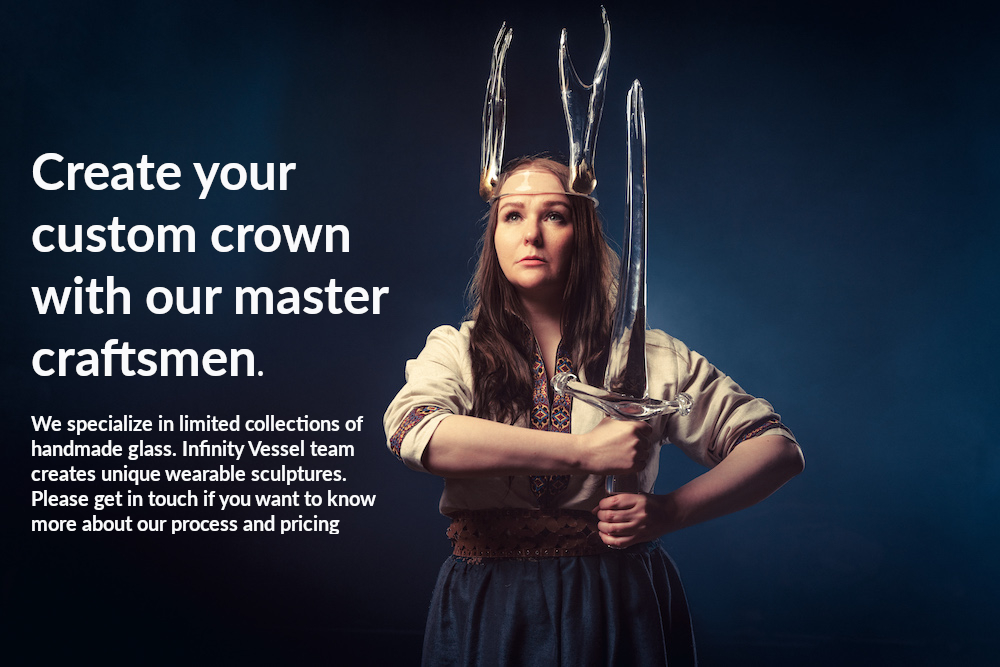
Infinity Vessel glass crowns can be ordered online. Every piece is custom made to the person’s head.
Also the earrings and the dress are made by hand. Image by Vesa Laitinen.
Mirrored can be found from Taiko online gallery. Image by Vesa Laitinen.

The New York Times feature is Sini Majuri’s childhood dream come true. Majuri, hailing from the rural town of Suonenjoki, overcame the challenges of learning English in a small town where it wasn’t the easiest task. Her childhood dream of reading the New York Times in English marked the beginning of a journey that led her to the very pages of the renowned publication. Majuri expresses her love and gratitude, acknowledging the invaluable support of her closest colleagues and friends. Marja Hepo-aho, the glass art sorceress, played a pivotal role, along with the entire team behind the Roboballet project, including dancer-choreographer Mira Ollila, Heidi Lehtoranta, Petri Pulkkinen, Janne Jääskö, Craneworks, and Aalto University’s Joni Pajarinen and his research team. A heartfelt nod also goes to Berengo Studio for opening its doors to the Infinity Vessel project, providing a space where teams creative visions could flourish. The journey wouldn’t be complete without acknowledging the pivotal roles played by Hytti Glass Studio and the Suomenlinna community, both integral parts of Majuri’s artistic family. These collaborators have consistently provided support, inspiration, and a nurturing environment for her groundbreaking work. Gallery G12’s Anni Koskinen, where she held her first exhibition in Finland, as well as to Keskusgalleria in Tampere for warmly showcasing her sculptures. Gratitude was also extended to Momono and Taiko Galleries. Special mentions went to Suonenjoki City and her family for unwavering support throughout her life’s journey. The realization of Majuri’s childhood dream is not just a personal triumph but a collaborative spirit!

AI & Glass: Unveiling Societal Stereotypes

If a glassblowing time traveller from the medieval era were to materialise in the Suomenlinna Glass Studio, they would likely navigate the workshop effortlessly. Hand tools and even the blowing bench have endured relatively unchanged. However, if the time traveller were a future AI cyborg, it would bring a whole new dynamic to the studio! In the world of artificial intelligence, there’s a noticeable gap in understanding traditional crafts. For instance, when it comes to glassblowing, the AI seems to mix up the tools with those used by electricians and blacksmiths. While these features are still evolving in visual AI applications, they intriguingly reflect aspects of our society – sometimes brutally honestly, especially when it comes to stereotypes.

tekoälytaide tekoäly ai glass art contemporary glass taide taiteilija veistos
AI does not yet comprehend glassblowing, or at least it holds a highly futuristic perception of it.
Sin appears in the eyes of artificial intelligence as a characteristic linked to women. My assumption is that software like MidJourney relies heavily on imagery from popular culture, further reinforcing connections to human traits and characteristics. This trend is increasingly shaping associations with various aspects of personalities and features

The questions arise: What do researchers from Finland, Sweden, or Norway look like? How about a New York street cleaner? The pursuit of these answers embarks on a journey I undertake in December with the support of the Kordelin Foundation. It’s a great opportunity to start an art project that blends glass and artificial intelligence. My intention is to capture stereotypes in the early stages of visual artificial intelligence programs. Technology is a mirror reflecting the complexity of humanity. Visual AI applications mirror societal assumptions about social classes and backgrounds. Image recognition, for instance, can paint a picture that people in certain environments or wearing specific types of clothing belong to a particular social class.

I filter this data through the ancient techniques of mouth-blown glass. It offers a unique opportunity to scrutinise stereotypes through the intangible medium and see into the intersection of technology and art. Can technology operate as the medium of art and what is its potential to challenge, transform, or reinforce our perspectives on the world? The synergy of ancient glassblowing and modern AI creates a space where contemporary stereotypes can be critically approached through art.

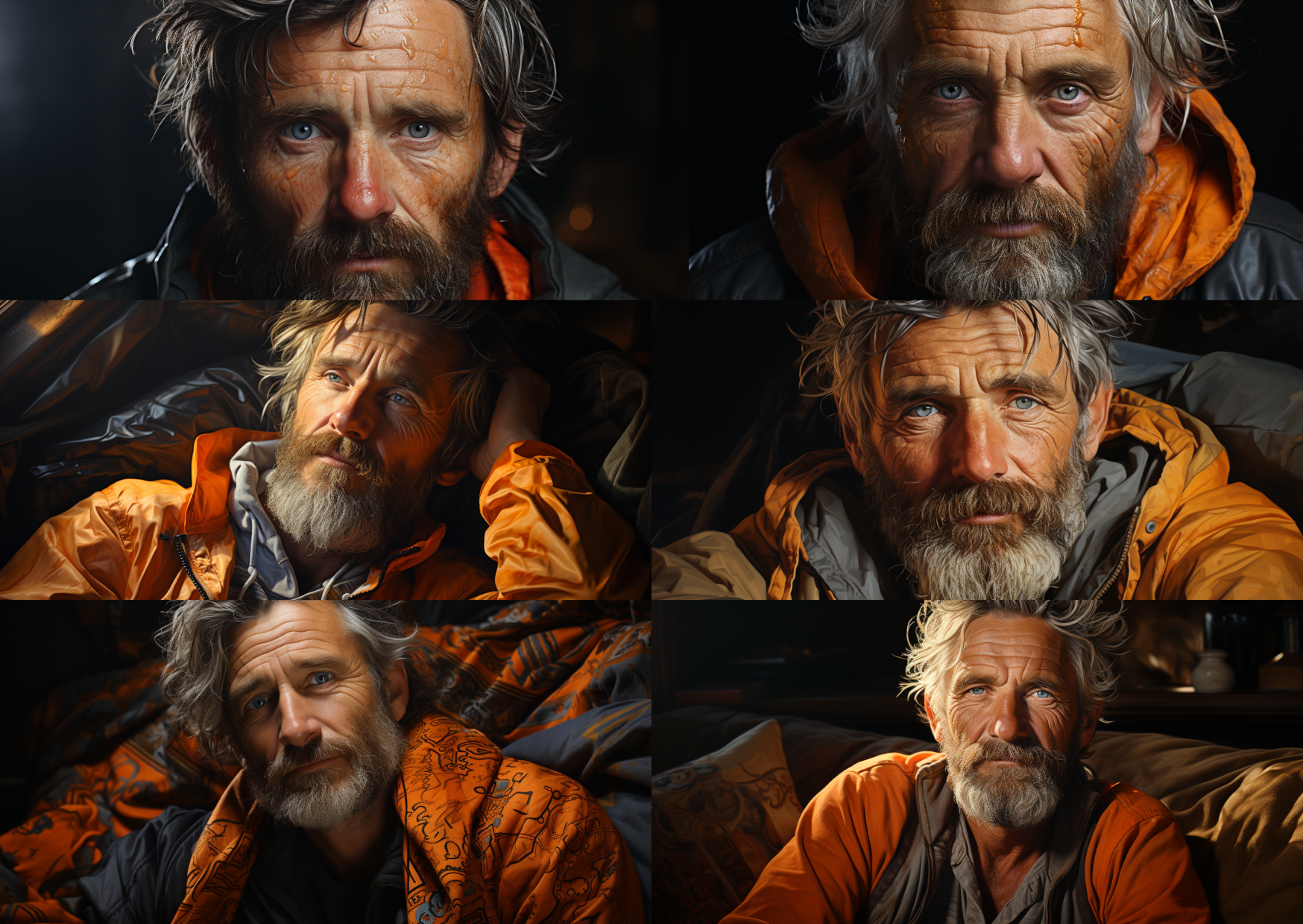
What does a liar look like? Well, as a bearded man in a hoodie? Lying, deceit and evil people are the characteristics connected to this orange hooded archetype. The recurring appearance may stem from both the training data used and the algorithm’s generalising nature in response to specific search commands
tekoäly ai artificial intelligence taide contemporary glass contemporary art taiteilija taideteos
In the eyes of artificial intelligence: a New York City street sweeper. I am interested in how nascent AI applications reflect societal stereotypes. Generalisaitons related to professions and gender are widely acknowledged issues, and it’s certain that they will evolve rapidly in the coming year. In the artistic process, I also pay attention to this change.
In depictions of mental illnesses, such as schizophrenia, generated by artificial intelligence, recurring patterns include faces that predominantly represent men – who look like they’ve been snipped straight out of Netflix . In image generations, for instance, the phrase ‘evil person’ primarily produces images of older men.

I’m interested in introducing more people to the fascinating world of glass and keeping it accessible. I’m part of a multinational project pushing to get glass recognised on UNESCO’s prestigious list. But let’s face it, having a fancy status isn’t enough; we need to take real action and spark fresh interest in glass art. The craft is fading fast worldwide. As the glass experts exit the scene, their endangered know-how is quietly slipping away. My ambition is to act as a catalyst, pushing the industry forward through inventive collaboration

As we stand at the crossroads of time, where the medieval craftsmen and the futuristic AI cyborg converge in the glass studio, it becomes apparent that the journey undertaken is not just through the lens of art and technology – it is a narrative that mirrors the complexities of our evolving world.

Thank you Kordelin foundation for the support! #kordelininsäätiö #kordelininsäätiöntuella

New York Fashion Week

FLYING SOLO

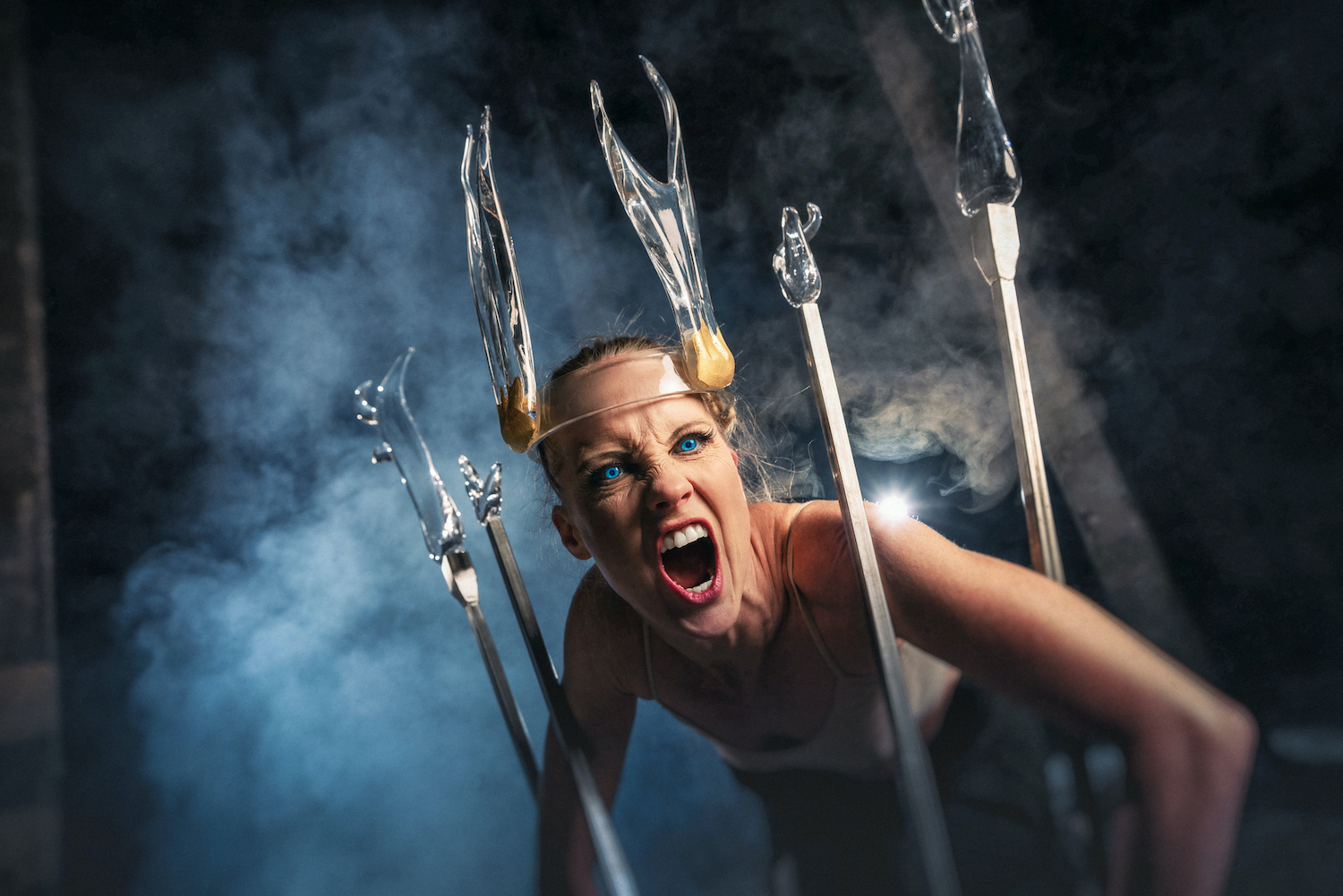
Infinity Vessel boldly steps onto the catwalk at New York Fashion Week on February 2024. The Flying Solo fashion show, which is held annually on the roof top surrounded by skyscrapers, gathers a global coverage of current fashion. Infinity vessel is exhibiting an eight-piece collection of wearable glass sculptures, such as crowns that explore femininity and the state of society. Glass crowns can be made-to-order from the master craftsmen of the Infinity Vessel project.

The Flying Solo show is one of the most cutting-edge fashion events during New York Fashion Week presenting a wide array of womenswear, menswear and accessories. Every season, Flying Solo discovers new talented independent designers from across the globe. The show has been featured in Fashionista, The New York Times, The Huffington Post, Vogue, Marie Claire, Nylon, and Harper’s Bazaar.

Glass crowns exshibited in the NY Fashion Week Flying Solo catwalk show are handmade in Finland
Scandinavian design
Scandinavian design crowns are made-to-measure pieces

ROBOBALLET in Helsinki

Roboballet Finland

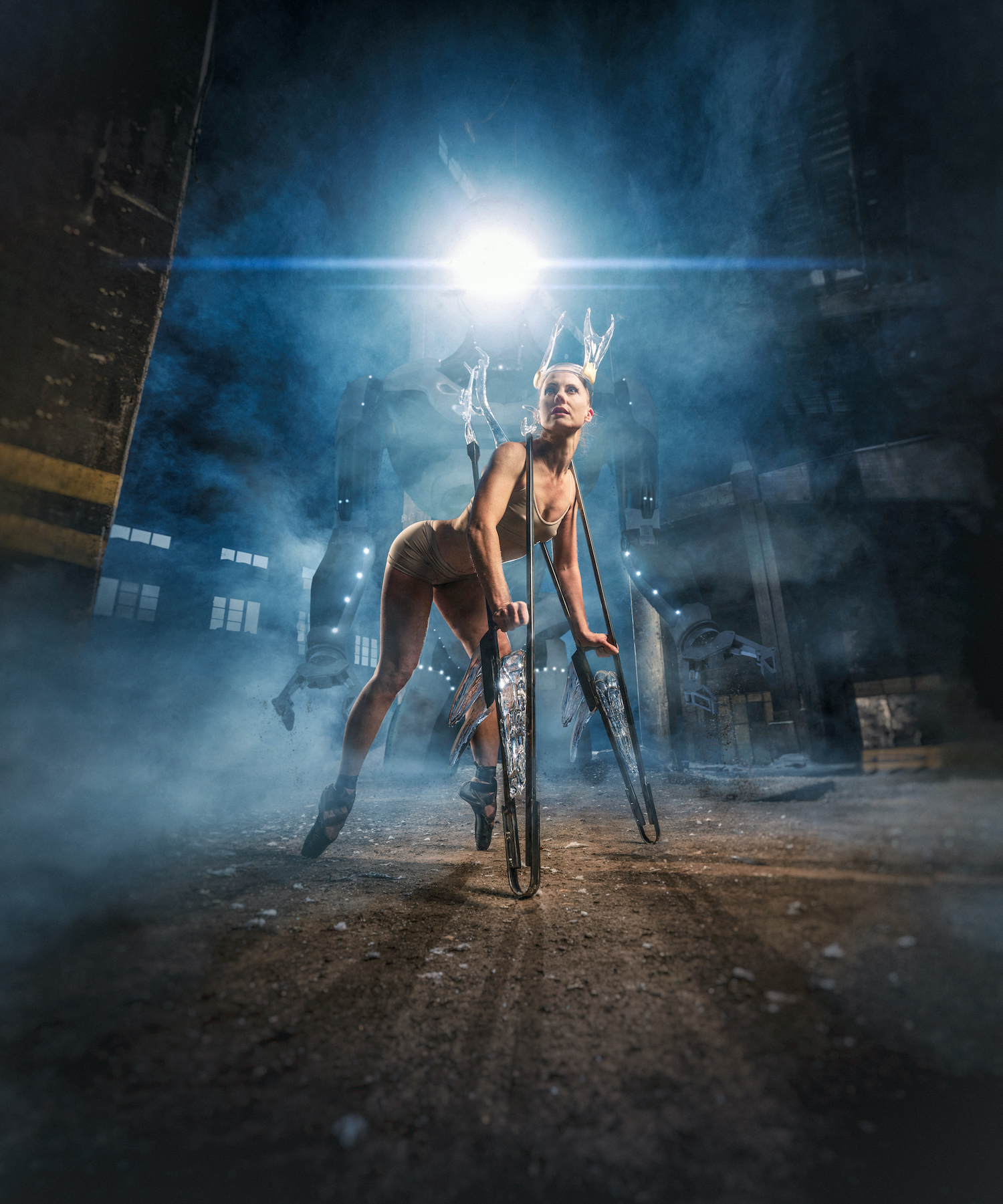
When a machine looks back at us, what does it see? Join us on February 1 – 2.2023 at the Suomenlinna sea Fortress in Helsinki to see how dance artist Mira Ollila interprets the shades of humanity while dancing with Boston Dynamics Spot robot. Roboballet is a new chapter in the Infinity Vessel series by glass artists Sini Majuri and Marja Hepo-aho, where contemporary glass is intertwined with dance and technology. THE ROBOBALLET SHOWS ARE FULL.

Dive into the interactive hologram piece and sculpture exhibition which will spread out in Tenalji von Fersen hall. Exhibition will be open for two days: February 1 – 2. The intensive ten minute dance performances are held at regular intervals. The exhibition and show are open and free to the public.

The ballet’s music is composed by Petri Pulkkinen and Janne Jääskö the holoprojections and interactive art of the work are produced by Craneworks Oy. The choreocraphy of the dance is by Heidi Lehtoranta and Mira Ollila. Robotics has been implemented in collaboration with Aalto University’s robotics department.

THE ROBOBALLET SHOWS ARE FULL.

The exhibition space is located on the upper floor, which is accessed by stairs. Those who need a lift are asked to register in advance so that we can arrange staff to help.

Roboballet Finland
Mira Ollila dances with a Boston Dynamics Spot in the Roboballet

In Finnish

Kun robotti katsoo meitä, mitä se näkee? Tanssitaiteilija Mira Ollila tulkitsee ihmisyyden sävyjä tanssiessaan Aalto Yliopiston robotiikan laitoksen ohjelmoiman Spot-robotin kanssa. Teos on osa lasitaiteilija Sini Majurin ja Marja Hepo-ahon Infinity Vessel-kokonaisuutta, jossa klassiset taiteen alat sekoittuvat nykyteknologiaan. Interaktiivisen teoksen musiikin ovat säveltäneet Petri Pulkkinen ja Janne Jääskö. Teoksessa laulaa Hanna Wendelin. Craneworks Oy vastaa kokonaisuuden holoprojisiosta.

Tanssiteos kestää 10 minuuttia (järjestetään tasatunnein) ja on osa Tenalji von Fersenin saliin levittäytyvää veistosnäyttelyä, jossa hologrammi taide yhdistyy klassiseen lasiin ja ihmisten ilmeisiin keinoälyn välityksellä reagoivaa musiikkimaisemaa.

Esteettömyys: Näyttely sijaitsee Tenalji Von Fersenin salissa, jonne on käynti portaita myöten. Hissiä tarvitservia pyydetään ilmoittautumaan etukäteen, jotta voimme ohjeistaa rakennuksen sivustalla sijaitsevan hissin käytössä.

roboballet finland helsinki
Roboballet has two event days in Helsinki Finland

Schedule

Dance Show

February 1. 2023 FULL

17.00, 18.00 and 19.00 PM

February 2. 2023 FULL

15.00, 16.00, 17.00 and 18.00 PM

Exhibition

February 1. 2023

15.00 PM – 20:00 PM

February 2. 2023

15.00 PM – 19:00 PM

Infinity Vessel productions in Venice

Communication installation by glass artists Sini Majuri and Marja Hepo-aho was exhibited at The Italian Glass Week’s HUB exhibition arranged in the Palazzo Loredan in Venice on 17 – 25 September 2022. The exhibition consisted of design objects by Majuri and Hepo-aho. The deeper message of the installation was to evoke discussion about the state of the contemporary glass and the artist’s responsibility as a reflector of time. The HUB installation is connected to Infinity Vessel production which was not accepted in the glass week’s program. How ever the rejected project mirroring the state of the society was welcomed to the Berengo Studio in Murano. Read an article about the exhibition at Savon Sanomat Newspaper.

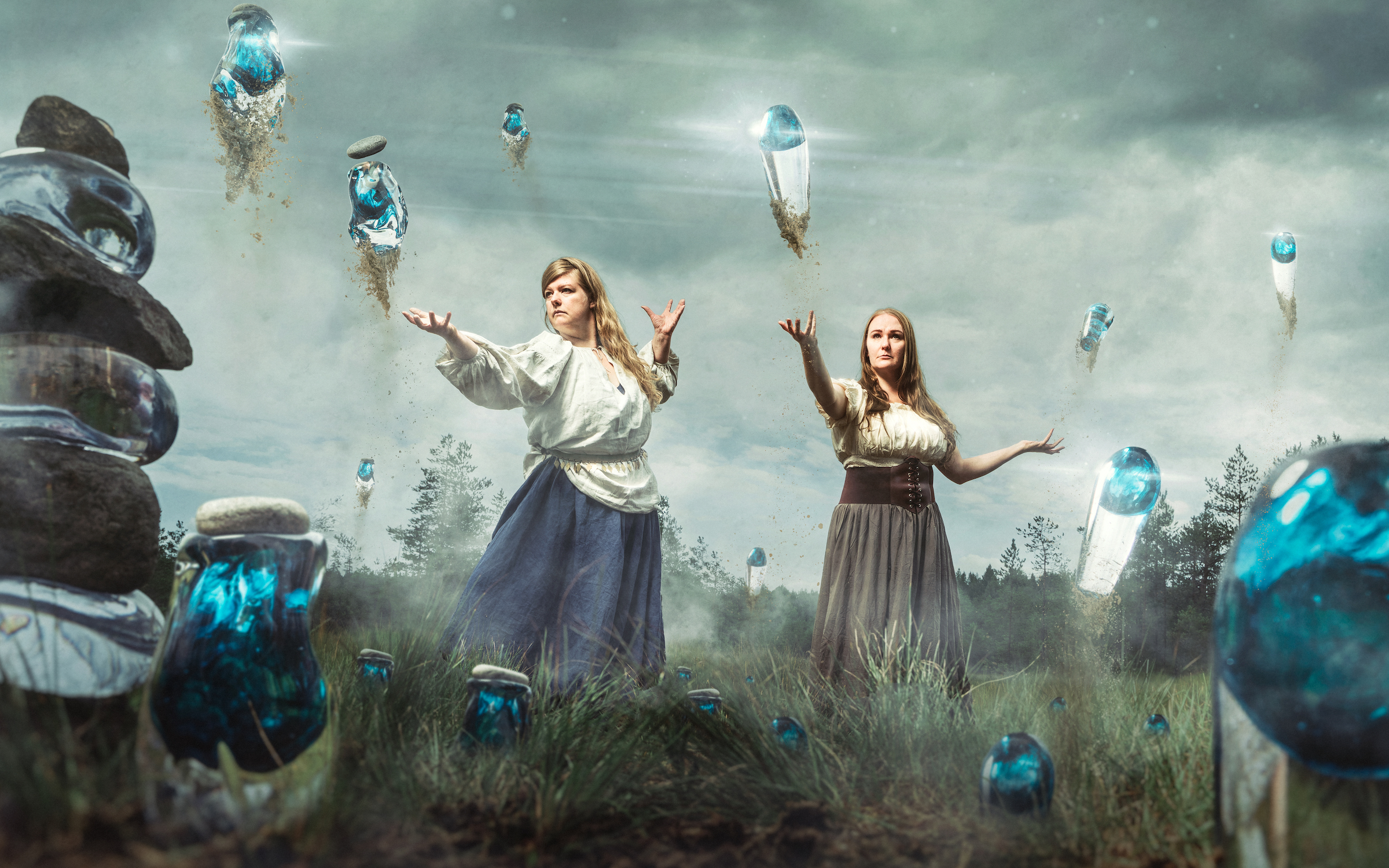
In Finnish mythology and culture a swamp has a strong meaning. It is an intermediate space between water and earth, the present and the hereafter. It is where unwanted babies and misfits of the society were drowned to. In the Communication production the swamp represents the taboos of the society as well as glass field. Photo: Juha-Matti Vahdersalo

Artists gave a lecture in the Hotel Saturnia to open the unique challenges and characteristics of the field from the perspective of Finnish and international glass. Glass artists are often asked to exhibit safe, beautiful, Scandinavian objects – as the contemporary glass, which deals with society’s taboos, is in a challenging situation in front of financiers and industry institutions. These actors define the field and what kind of art is accepted.

The images by photographer Juha-Matti Vahdersalo mirror the theme of the Communication and Infinity Vessel productions – how artist must take the responsibility to highlight the taboos of the time. Scandinavian design objects rise up from the swamp – as the topics that are not to be talked about. The United Nations International Year of Glass 2022 has a significant meaning, as the endangered craftmanship is also being arranged to the Unesco’s World heritage listing. 
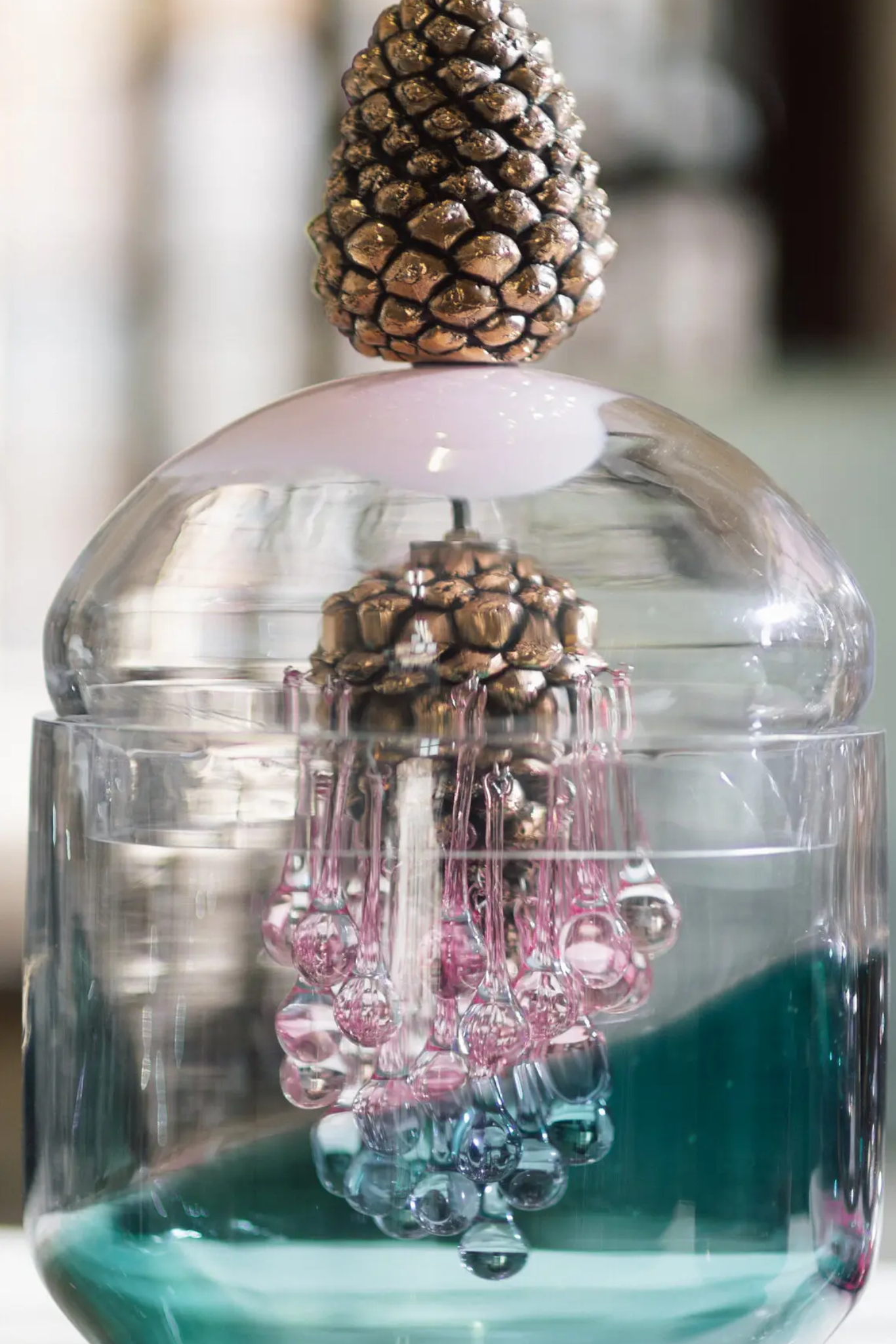
Paradox – Noa Milo is a part of the Infinity Vessel project exhibited in Murano. Glass vessel can be seen as a womb, a surface between an individual and the society. Fetus is the potential and hope sheltered by the insubstantial skin. Artists are using ornaments from Finnish and Ukrainian tradition. Golden hand painted pine needle is a symbol of bravery as the serpent is a protecting element. Bronze cast: Arto Hyyryläinen. Glass blower: Kari Alakoski. Photographer: Francesco Barasciutti, Venice 2022

The Communication project is connected to the Infinity Vessel production that opened in Berengo Studio in September 17th 2022 – outside the official glass week program. The triptych with an exhibition, show and a treasure hunt combine glass with multiple innovative technologies. Augmented reality and holographic art are mixed with glass that reflects the lovelessess in society; what happens to an individual when humanity and emotions are disconnected from the surrounding community. The project started when the artists decided to comment on the War in Ukraine, pandemics as well as the women’s rights.

The live glass blowing show in Berengo Studio had Teemu Nurmelin from Finnish National Theater as the visual designer. The starting point of the show is to contemplate the glassblowing demo as its own unrecognized art form. In the article of Savon Sanomat newspaper it is written, that “the experience of the glass show turned out to be powerful on many levels. A strong sense of trust was created between the audience and the artists when the hot glass mass revealed the details of the work as part of the storytelling. Some of the audience wanted to share their feelings after the show, some even cried”.

The Infinity Vessel project has more than 20 professional from different fields of technology and art in the production team. The holographic projection is by Craneworks Oy. The Infinity Vessel production is supported by Asko Foundation.

The third part of the triptych, a hunt of valuable glass artifacts hidden through the city of Venice and Murano island as a real life adventure. Visitors were encouraged to seek out sculptures and discuss the topics of the project on social media. In the treasure hunt, artists wanted to shake off the stigma of elitism from glass art, so they offered thousands of euros worth of unique glass to the public on the principle of “the finder gets to keep”.

Infinity Vessel contemporary art project pushes the limits of the ancient art of glass. A documentary about the birth and reception of the Infinity Vessel is also being made, directed by Ditte Uljas. The project is part of Corning Museum of Glass’s collection in New York.

The next Infinity Vessel show will be arranged in Detroit 2023 as the movie will be premiered in the Glass Art Society’s annual conference. The Noa Milo sculpture is also exhibited at Art Miami at the Berengo Studio’s booth in November 2022.

Design Helsinki

Welcome to Design Helsinki! Sini Majuri will exhibit at the International Design Pavilion at Kasarmitori, Helsinki. During the two day event 24 – 25.8 you can meet Sini at the booth B17 and see her latest collections of contemporary glass! Join the show and get your entry ticket from here.

Sini Majuri will exhibit her award winning collections of glass, for example the Pikku vase made in Suomenlinna, Helsinki.

With expansive global reach spanning architects, interior designers, dealers, retailers, specifiers and more, Design Helsinki will be Media 10’s first Nordic event and will showcase leading Finnish and international interiors brands presented in a series of showroom events, exhibitions and specially commissioned installations around the city centre. Taking place 24-25 August, Design Helsinki will highlight the profound influence that Scandinavian design and its commitment to sustainability has on the architecture and design industries.

Featuring an unmissable programme for design, the two-day festival will bring the area to life with festivities to match. Immersive installations will line the streets, a curated exhibition will showcase the latest contemporary design products, delectable food and drink partners will offer a variety of discounts and deals, topical talks will highlight the industry’s most pressing issues within the city’s famed Design Museum and much more. The event will celebrate the area’s local design showrooms who will welcome architects, designers, dealers, retailers and more through their doors with a jam packed programme of events. 

Design Helsinki will be a fun-filled design festival consisting of 1 international pavilion featuring 40+ leading brands, 40+ resident design showrooms, engaging installations, topical talks with leading creatives, hundreds of programmed events and tantalising deals across Helsinki’s restaurants and bars.

Summer Collections

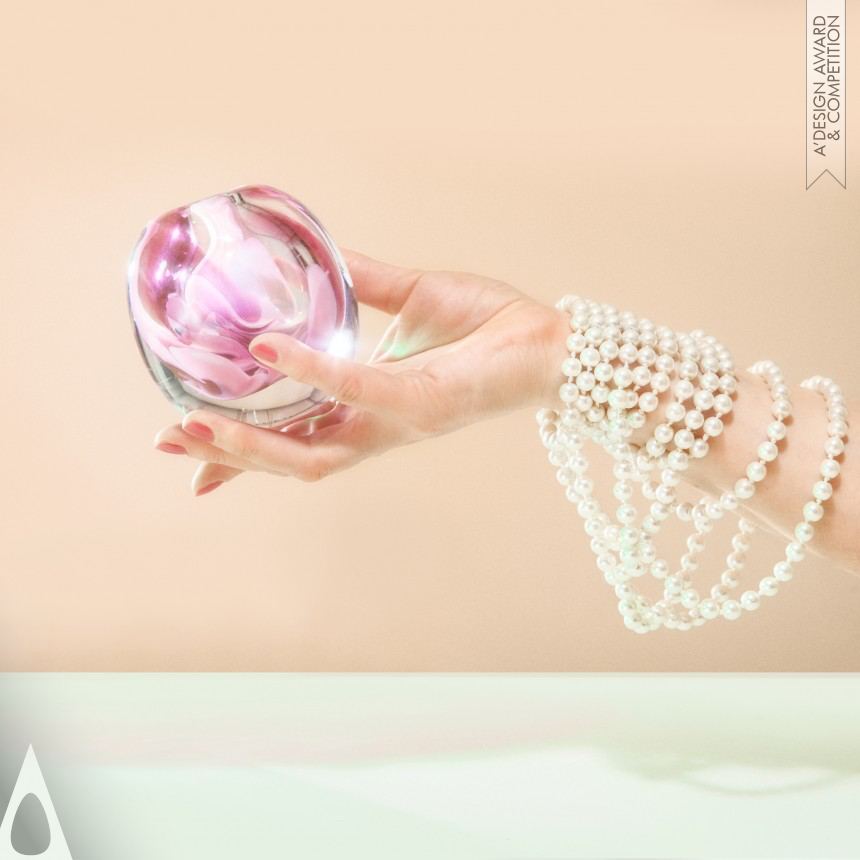
I’m delighted to receive four design awards from the international A’Design Awards! The summer 2022 collections Pikku, Purnu and Orinnoro as well as Suonenjoki vase designed for the city of Suonenjoki were awarded. It is especially meaningful that studio made glass is represented and appreciated in these sort of design forums in the United Nations International Year of Glass 2022. Furthermore it is great to launch these new collections with such a positive starting point as I have started new collaboration with Momono Design Store in Helsinki! If you are visiting Helsinki, you can find Momono from Yrjönkatu, near Design Museum. I have also started to collaborate with Taiko. You can visit my online gallery from here. It has also been a great honor to be chosen into international Homo Faber guide. You can find my site from here.

One of the most memorable projects have been an interview by Isabel Laine for her Bachelor thesis (Suomalainen lasitaide nykytaiteena. Esimerkkinä Sini Majurin nykylasi) for the University of Turku. The thesis is about the relationship of contemporary glass and contemporary art.

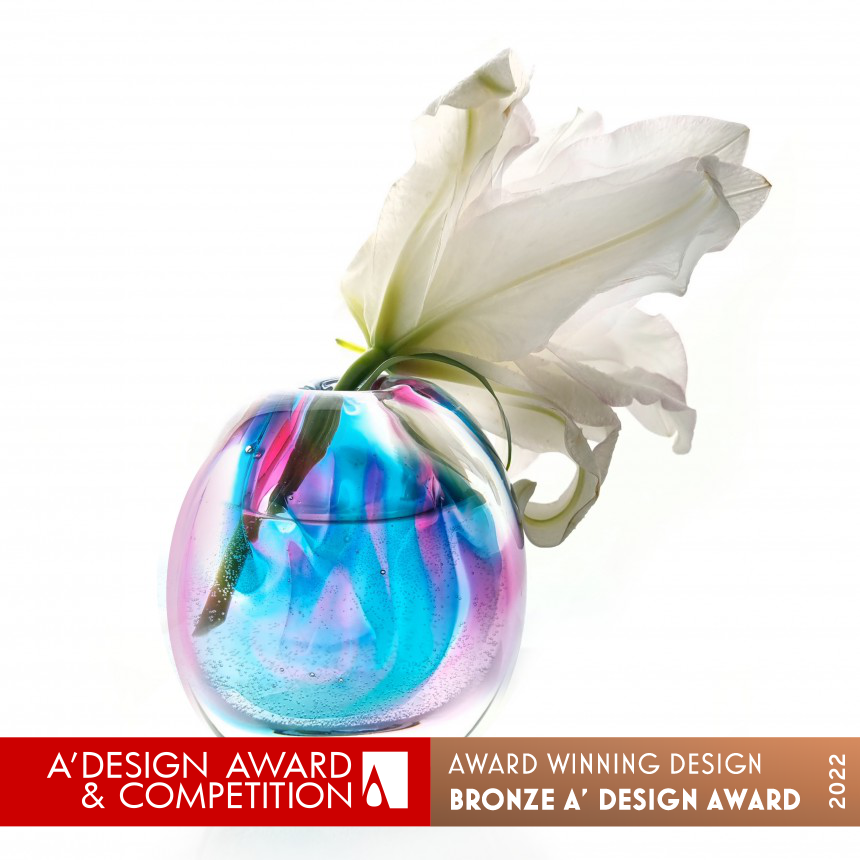
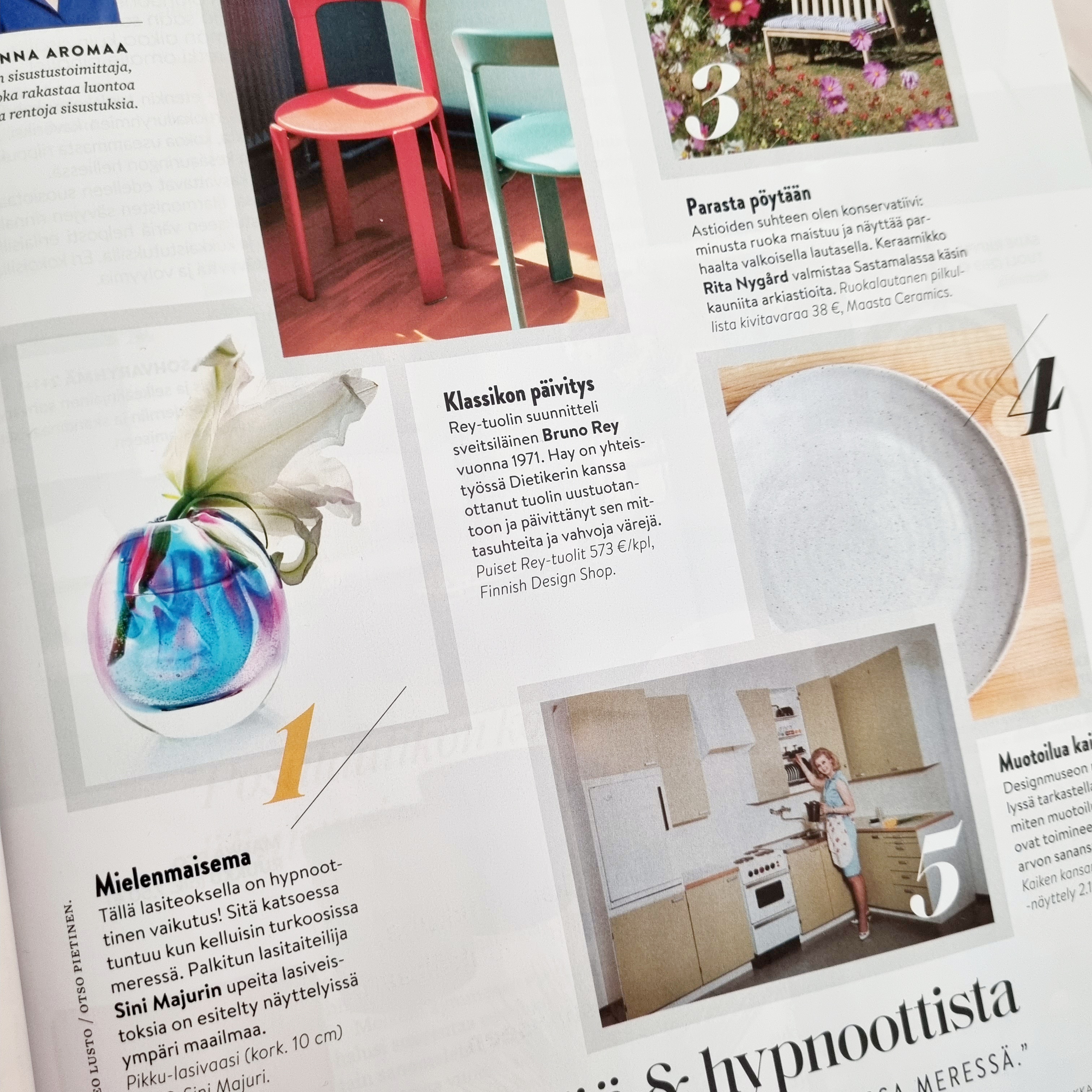
This summer I wanted to create something cute and small. Pikku is my first mini size vase and it is studio made in Suomenlinna island. Vases are inspired by soap bubbles and romantic movies. The philosophy of the Pikku is that the small details in our life are precious. In the hectic world it is important to pay attention to a single flower. Vase won a bronze award and was also noted in Avotakka magazine May issue. The vases can be found from Momono as well as from my studio.

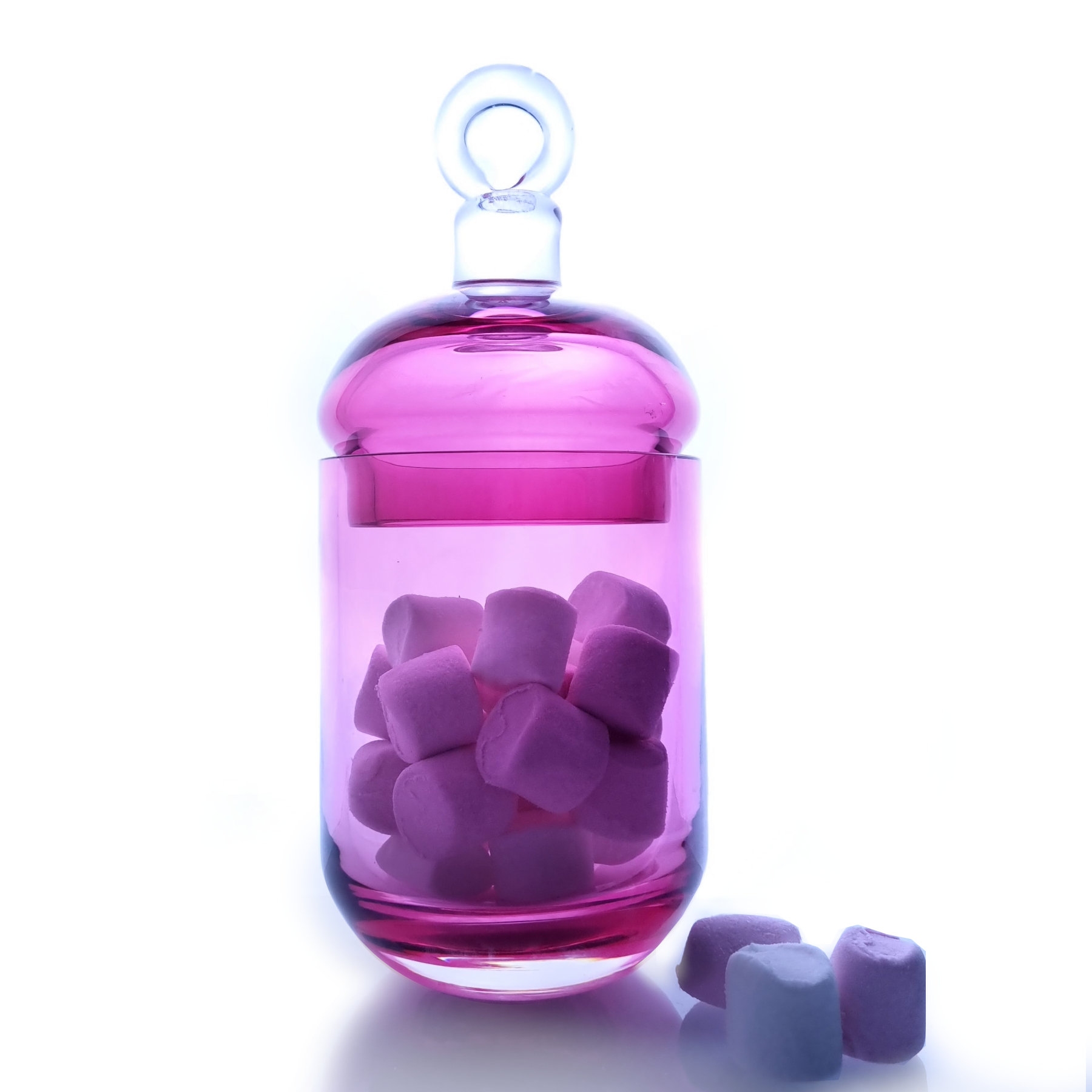
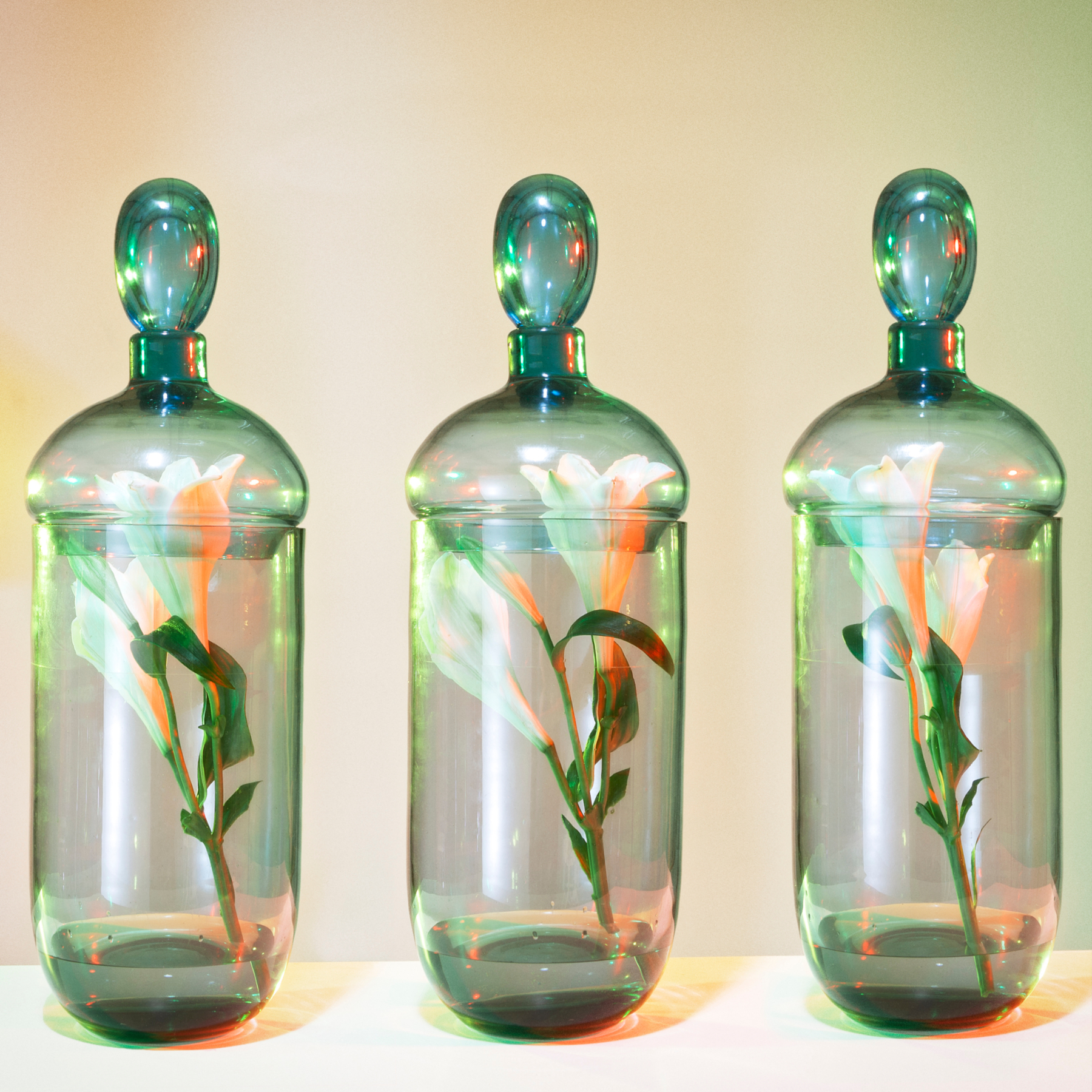
Purnu jar is also something rather flirty, pink and smaller than my usual objects. As a designer I usually prefer using quite voluminous glass, which is still present on the thick bottom of the Purnu jar. Actually 20 cm tall Purnu is a miniature version of Orinnoro jar that is a 65 cm tall. The collection is inspired by marshmallows and pop culture. The design philosophy of the object is to reflect the Northern aesthetics with playful colors and simplified shape. Both Orinnoro and Purnu won Bronze and are created in Riihimäki, Finland at Mafka&Alakoski glass studio. Suonenjoki vase was designed for my home town, Suonenjoki. Therefore it was truly touching to also win an award from the vase.

This spring I have also been designing a new sort of project for the Finnish Craft & Design fair: an unique art piece for the event to use as their theme object. You can find the entire interview about the project from the link. The sculpture was made with traditional graal glass blowing technique and the theme of the piece is The Future. The idea of the sculpture is that one must see up close to see far too. When you look inside an object, you first look through lace, as if through a human craft tradition, inside a cell and into humanity. Hands support the future. At the same time, glass is eternal but fragile. Delicate and strong. It’s kind of a paradox.

The craft fair will be held in Tampere. Finland.

KOTI exhibition at The Museum of Fine Arts Eemil

Sini Majuri’s exhibition has opened at the Museum of Fine Arts Eemil. The theme of the exhibition ‘Home’ (Finnish Koti) is illustrated via poetic blown glass. Home is something that define ourselves: who we are and who we desireto be. Home can mean Chaos or a Serene safe haven. It can be dangerous. Loving. Home is missed. It’s not for granted to have a home. Especially in the midst of pandemics home has evolved into new dimensions.

The cartoon story is captured inside blown glass in the exhibition. The illustrations have broken textures that mimic the feeling of ancient and also reflect on the fragile nature of a human. Sini Majuri, Chambers. Graal technique. Suomenlinna 2022.

The exhibition is part of the program of UN’s international year of glass 2022 – which is why Majuri wanted to highlight the diversity, co-operation and vitality of Finnish contemporary glass in the exhibition. The artist is not only shaping the glass material but the whole creative field and its future.

Studio made glass is an expressive medium that can give a shape to a feeling, the visible and invisible levels of existence. The theme Home is mirrored via multi-layered interpretations of classic Graal- glass blowing technique. Glass story follows the logic of a dream and Home is also seen as a metaphor to a persons psyche. An important part of the narrative is how our own position affects the ways we see each other.

“Inside the optical, vivid glass, a face is distorted. It is impossible to see it as real because the glass material is never static – as a human never is. I’m interested in human gender and how it has been illustrated in culture over the Millennia. ” Sini Majuri. Family Portrait – Hollywood. Riihimäki 2022
The exhibition first focuses on the atmosphere of the Majuri’s home region and then walks into the building to see who lives there. There are multiple hidden layers in the story that can only be seen from exact angle. The textures of the illustrations imitate ancient feel and broken surfaces. This is a metaphor to humanity. Home is seen as a part of a persons psyche. Sini Majuri. Graal technique. Suomenlinna 2022
Glass is a language of beauty – because it is an optical, reflective material that can express subtle shades of emotions, which are otherwise difficult to reach. The sculptures focus in a way human are seen and looked at. The cartoon is inspired by the selfie culture that is mixed into an ancient feel. The main idea in the story is human perspective: how we are tied to our own viewpoint when looking at others. Multi-layered sculptures illustrate the depth of a person. The exhibition is open from January 28 till April 17 2022 in the Museum of Fine Arts Eemil, Lapinlahti Finland.

Read more about the exhibition from Iisalmen Sanomat News Paper: Link

Read an aticle from the Contemporary Glass Society: Link

Bumpy for DutZ Collection

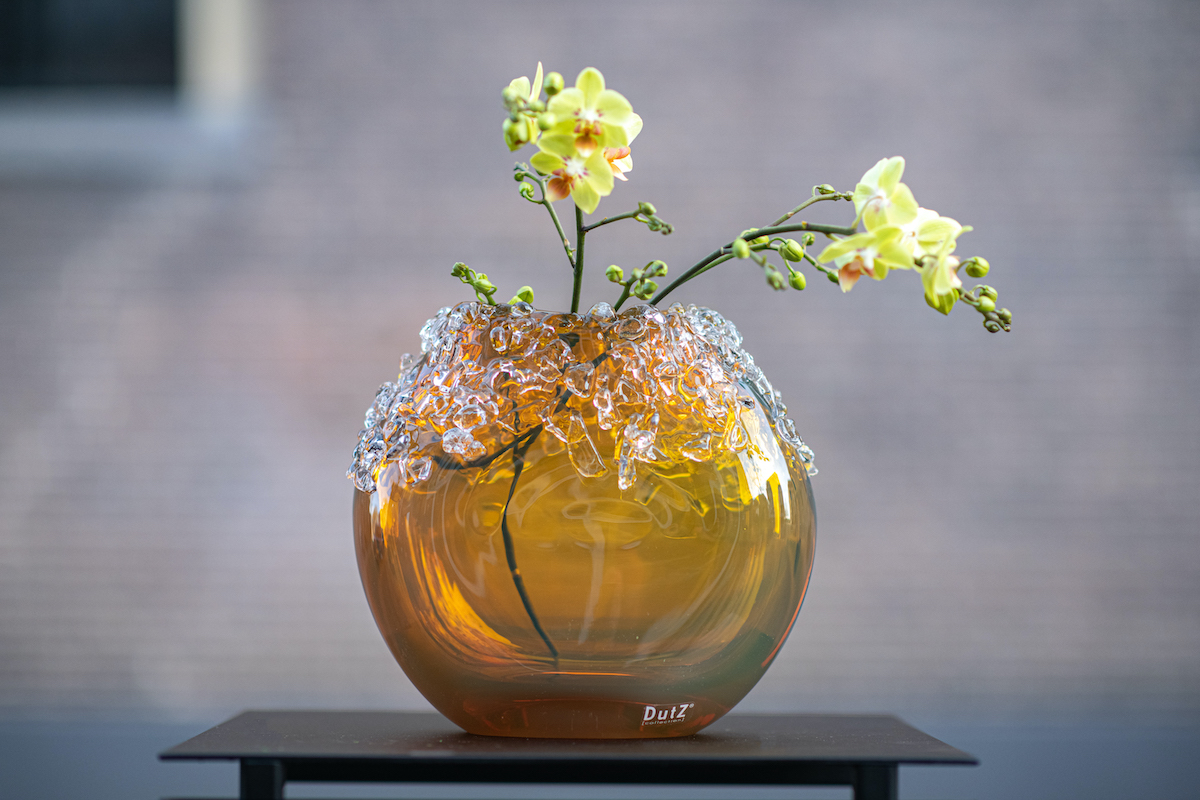
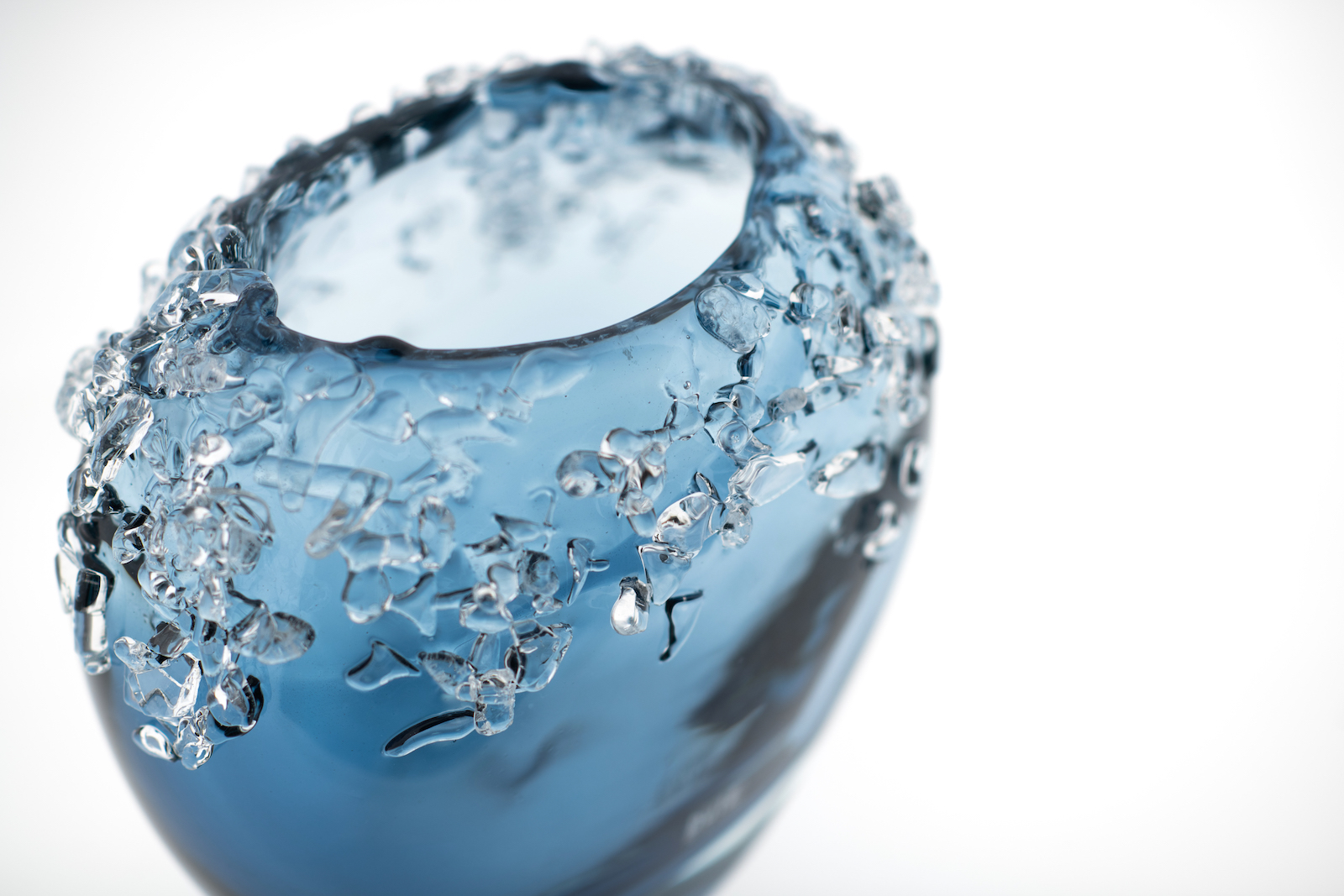
Sini Majuri designs a collection of glass vessels for DutZ Collection. Bumpy vases are created in blue, gold and grey color. The collection is awarded with a Silver A’Design Award from Italy in 2021.

Collection plays with contrasts. High quality meet rough glass shards that look as ornaments when placed on the rim of the vessel. Calm Scandinavian color palette brings harmony to the studio made vases that are inspired by the textures of melting ice. The concept of the design is to flirt with organic shapes and poetic glass medium.

The collection is inspired by the melting ice. The icy texture in every vessel has it’s special charisma.
The shape of the vessel is oval. Every piece is mouth blown and shaped by hand.

Bumpy vases are mouth blown and shaped by hand.

Bumpy vase finds its place on the windowsill, side table or as a gorgeous centre-piece on the dining table. This model is suitable for just one flower branch, but it is also beautiful with nothing at all in it. Unique Bumpy vase fits well in every interior.