Sini Majuri in The New York Times

Read an article Forging Art From Molten Glass by wonderful Penelope Colston from The New York Times with the images taken by Vesa Laitinen. Majuri’s art blends modern technology with traditional glassblowing techniques. Her Suomenlinna workshop, set in a historic UNESCO island fortress, serves as the backdrop for crafting pieces exploring themes such as human nature and femininity. Read the article from here.

Infinity Vessel glass crowns can be ordered online. Every piece is custom made to the person’s head.
Also the earrings and the dress are made by hand. Image by Vesa Laitinen.
Mirrored can be found from Taiko online gallery. Image by Vesa Laitinen.

The New York Times feature is Sini Majuri’s childhood dream come true. Majuri, hailing from the rural town of Suonenjoki, overcame the challenges of learning English in a small town where it wasn’t the easiest task. Her childhood dream of reading the New York Times in English marked the beginning of a journey that led her to the very pages of the renowned publication. Majuri expresses her love and gratitude, acknowledging the invaluable support of her closest colleagues and friends. Marja Hepo-aho, the glass art sorceress, played a pivotal role, along with the entire team behind the Roboballet project, including dancer-choreographer Mira Ollila, Heidi Lehtoranta, Petri Pulkkinen, Janne Jääskö, Craneworks, and Aalto University’s Joni Pajarinen and his research team. A heartfelt nod also goes to Berengo Studio for opening its doors to the Infinity Vessel project, providing a space where teams creative visions could flourish. The journey wouldn’t be complete without acknowledging the pivotal roles played by Hytti Glass Studio and the Suomenlinna community, both integral parts of Majuri’s artistic family. These collaborators have consistently provided support, inspiration, and a nurturing environment for her groundbreaking work. Gallery G12’s Anni Koskinen, where she held her first exhibition in Finland, as well as to Keskusgalleria in Tampere for warmly showcasing her sculptures. Gratitude was also extended to Momono and Taiko Galleries. Special mentions went to Suonenjoki City and her family for unwavering support throughout her life’s journey. The realization of Majuri’s childhood dream is not just a personal triumph but a collaborative spirit!
The Pulse of Family Business: Designing The Family Enterprise Award

In the video made by OneMinStory, glass artist Sini Majuri reveals the symbolism and inspiration behind the award piece as she shapes it in the historic surroundings of Suomenlinna.

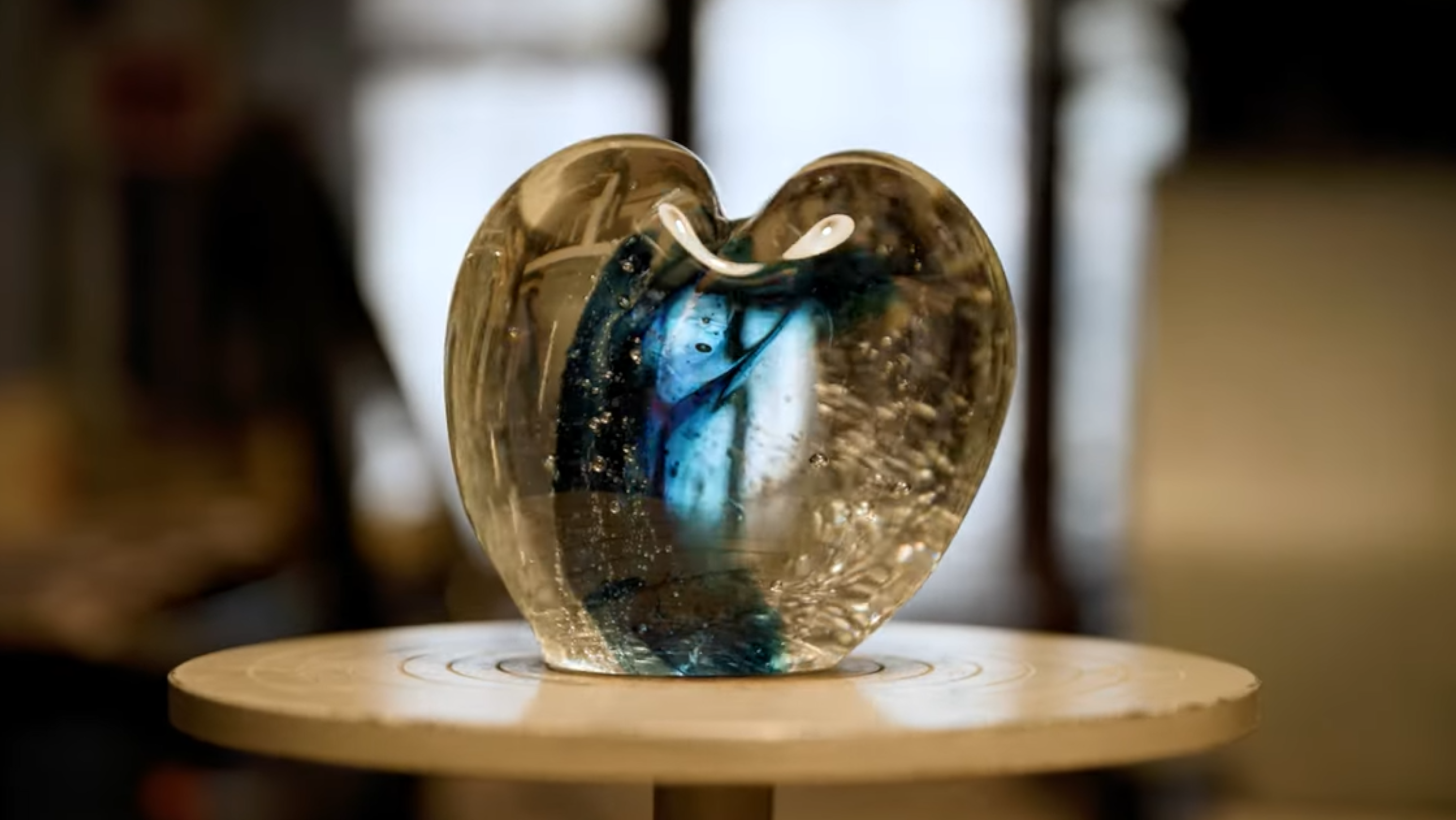
It was a great experience to design an award for the Finnish Family Business Association. The choice of using mouth-blown glass as the material for the award resonates with the heartbeat of family entrepreneurship. Glass, a globally rare art form with a nomination pending for UNESCO’s Intangible Cultural Heritage list, echoes the delicate balance of strength and fragility. It’s a dance of temperature and timing, much like the steady pulse that sustains a living being. In each glassblower’s breath, there’s a rhythm that shapes the material, paralleling the heartbeat of family-run businesses that throb with passion and dedication. Each generation brings its unique breath to the process, infusing the business with fresh ideas while maintaining the warmth of tradition.

sydän palkinto palkintoesineen suunnittelu, palkinnon suunnittelu, mittatilauspalkinto helsinki, lasipalkinto, mitalli, pokaali, mittatilauspokaali
Hearth is not just an organ that sustains life. It’s a universal emblem of love, passion and enduring strength – qualities intrinsic to the soul of family entrepreneurship – lifeblood of commitment and the pulse of generations working harmoniously.

Since the establishment of the award in 2004, and its renaming in 2012 as the Peter Fazer Award, the award celebrates the symbiotic relationship between tradition and innovation. This year’s recipient, MSK Group Oy, stands as a testament to this idea. As a multifaceted high-tech family enterprise, they exemplify the heart’s resilience – pulsating with a blend of heritage and modernity, echoing the continuous rhythm of progress.

lasitaiteilija, palkintoteos, mittatilauspalkinto, design palkinto, tilauspokaali, pokaali, mitalli, palkinto, lasi, contemporary glass, nykytaide, scandinavian design, helsinki, suomenlinna
Blowing the Glass Award for Family Businesses in the Historic Suomenlinna Glass studio Hytti.

The creation of the glass heart, a process rich in tradition and precision, was a narrative beautifully captured by Antti Sipilä and Samppa Fjäder from OneMinStory‘s team. Their documentation brought to light to the artistry of glassmaking. It’s interesting how the development of lenses, a milestone in human history, was predicated on the mastery of glass, illustrating the profound influence this material has had on our perspective of the World. Similarly, family businesses embody a cornerstone technology within the social fabric.

In every family business, like in the breath-controlled art of mouth-blown glass, there’s a steady, rhythmic beat of adaptability. This glass heart reflects the enduring spirit of these enterprises. It’s not just a symbol of recognition; it’s a metaphorical echo of the heartbeat that drives family businesses. In the core of every endeavor, there lies a pulse, a steady throb of identity and passion, pulsating towards a future that reveres its past while boldly embracing the new.

The video of the process is by OneMinStory.

Psst.. Join our journey of art and innovation! Subscribe to our newsletter for exclusive insights into the mesmerizing world of glass art:

Go back

Your message has been sent

Warning

AI & Glass: Unveiling Societal Stereotypes

If a glassblowing time traveller from the medieval era were to materialise in the Suomenlinna Glass Studio, they would likely navigate the workshop effortlessly. Hand tools and even the blowing bench have endured relatively unchanged. However, if the time traveller were a future AI cyborg, it would bring a whole new dynamic to the studio! In the world of artificial intelligence, there’s a noticeable gap in understanding traditional crafts. For instance, when it comes to glassblowing, the AI seems to mix up the tools with those used by electricians and blacksmiths. While these features are still evolving in visual AI applications, they intriguingly reflect aspects of our society – sometimes brutally honestly, especially when it comes to stereotypes.

tekoälytaide tekoäly ai glass art contemporary glass taide taiteilija veistos
AI does not yet comprehend glassblowing, or at least it holds a highly futuristic perception of it.
Sin appears in the eyes of artificial intelligence as a characteristic linked to women. My assumption is that software like MidJourney relies heavily on imagery from popular culture, further reinforcing connections to human traits and characteristics. This trend is increasingly shaping associations with various aspects of personalities and features

The questions arise: What do researchers from Finland, Sweden, or Norway look like? How about a New York street cleaner? The pursuit of these answers embarks on a journey I undertake in December with the support of the Kordelin Foundation. It’s a great opportunity to start an art project that blends glass and artificial intelligence. My intention is to capture stereotypes in the early stages of visual artificial intelligence programs. Technology is a mirror reflecting the complexity of humanity. Visual AI applications mirror societal assumptions about social classes and backgrounds. Image recognition, for instance, can paint a picture that people in certain environments or wearing specific types of clothing belong to a particular social class.

I filter this data through the ancient techniques of mouth-blown glass. It offers a unique opportunity to scrutinise stereotypes through the intangible medium and see into the intersection of technology and art. Can technology operate as the medium of art and what is its potential to challenge, transform, or reinforce our perspectives on the world? The synergy of ancient glassblowing and modern AI creates a space where contemporary stereotypes can be critically approached through art.

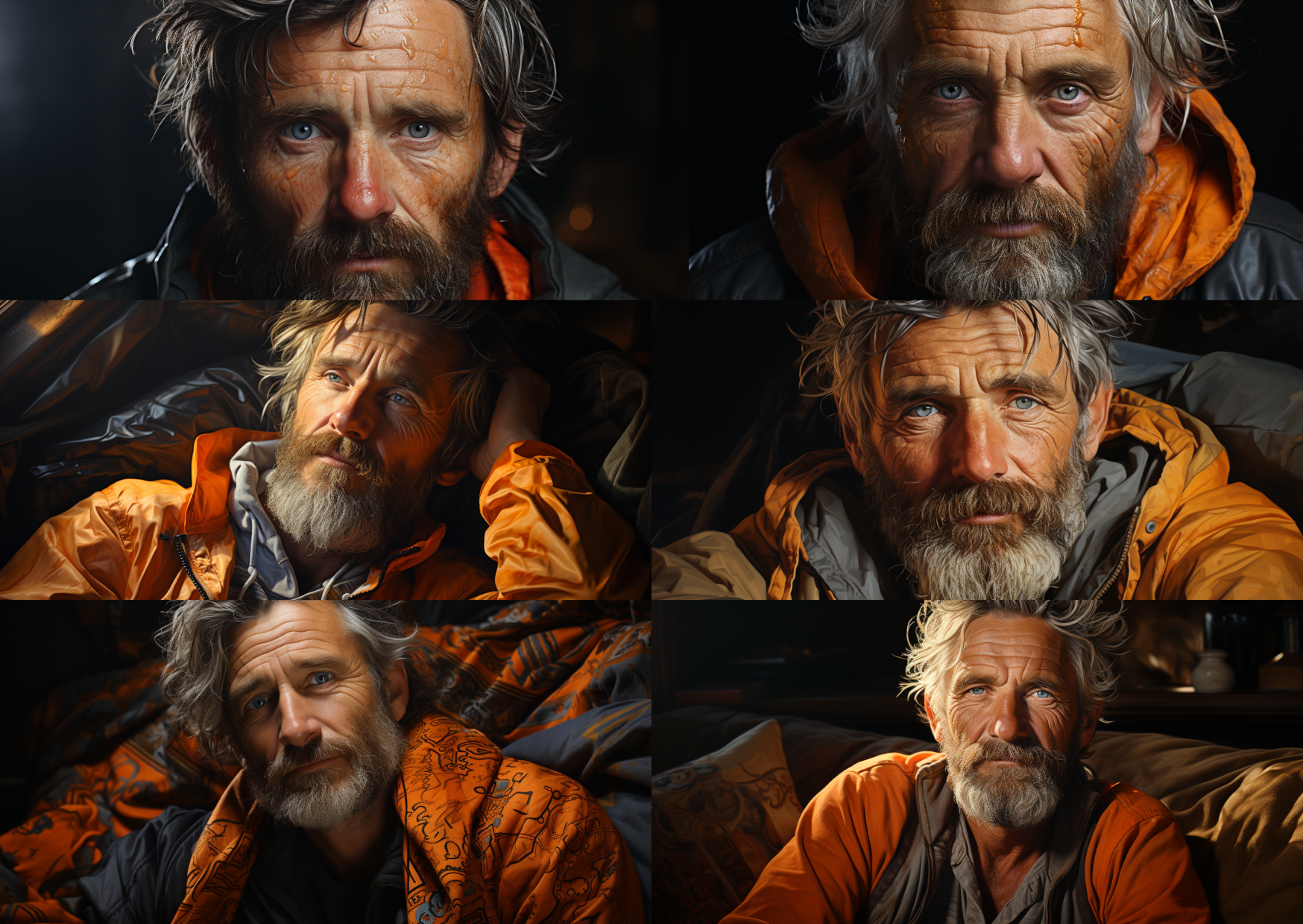
What does a liar look like? Well, as a bearded man in a hoodie? Lying, deceit and evil people are the characteristics connected to this orange hooded archetype. The recurring appearance may stem from both the training data used and the algorithm’s generalising nature in response to specific search commands
tekoäly ai artificial intelligence taide contemporary glass contemporary art taiteilija taideteos
In the eyes of artificial intelligence: a New York City street sweeper. I am interested in how nascent AI applications reflect societal stereotypes. Generalisaitons related to professions and gender are widely acknowledged issues, and it’s certain that they will evolve rapidly in the coming year. In the artistic process, I also pay attention to this change.
In depictions of mental illnesses, such as schizophrenia, generated by artificial intelligence, recurring patterns include faces that predominantly represent men – who look like they’ve been snipped straight out of Netflix . In image generations, for instance, the phrase ‘evil person’ primarily produces images of older men.

I’m interested in introducing more people to the fascinating world of glass and keeping it accessible. I’m part of a multinational project pushing to get glass recognised on UNESCO’s prestigious list. But let’s face it, having a fancy status isn’t enough; we need to take real action and spark fresh interest in glass art. The craft is fading fast worldwide. As the glass experts exit the scene, their endangered know-how is quietly slipping away. My ambition is to act as a catalyst, pushing the industry forward through inventive collaboration

As we stand at the crossroads of time, where the medieval craftsmen and the futuristic AI cyborg converge in the glass studio, it becomes apparent that the journey undertaken is not just through the lens of art and technology – it is a narrative that mirrors the complexities of our evolving world.

Thank you Kordelin foundation for the support! #kordelininsäätiö #kordelininsäätiöntuella

Orinnoro Collection is Now Customizable

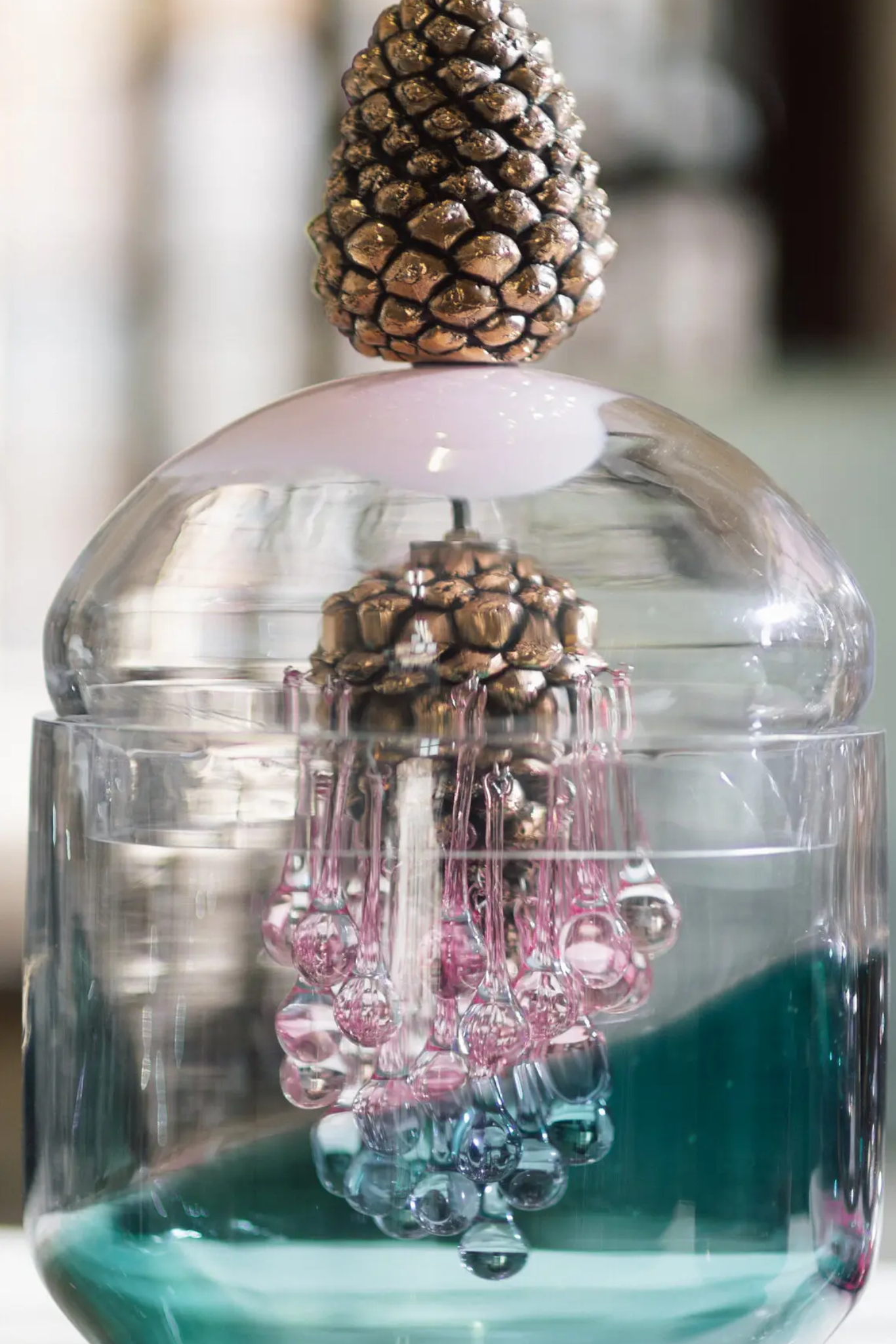
Would you like a small piece of art to adorn and enhance your home? The Orinnoro collection now offers customization options for its petite glass jars, which comes with a lid and cast broze pinecone. Customers can select their preferred glass colors for both the jar and the lid to match their personal tastes. To commission your piece, either call, send an email, or effortlessly connect through our contact form at the link.

The bronze pinecone is cast from studio-made bronze, ensuring meticulous attention to detail and unmatched quality. Alongside jazzing up the colors of our petite Orinnoro pieces we also offer the option to order grander pieces from the collection, featuring intricately integrated bronze/glass chandeliers. They’re a bit more of a project to put together, but so worth it. Fancy knowing more? Just hit up Sini, she’s got all the answers.

contemporary art helsinki
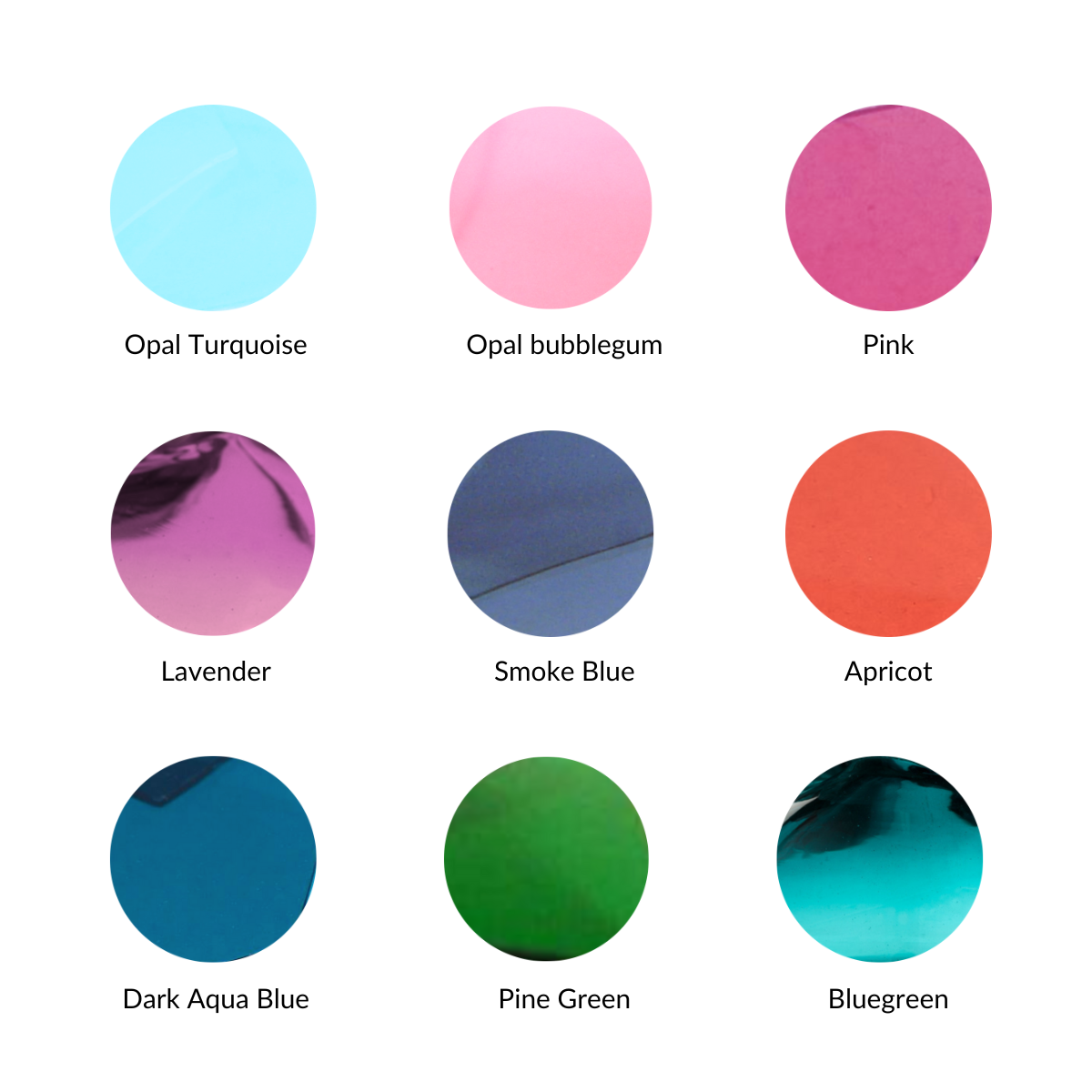
Every petite Orinnoro is crafted by hand in Finland, signed and numbered. Choose from our spectrum of colors, including two opaque opal options and seven clear shades, to adorn both the lid and the base. When you’re ready, reach out to usIn the image there are Opal turquoise lid and pink base glass.
nykytaide contemporary art helsinki finland
It’s crucial to note that glass, being a dynamic medium, doesn’t adhere to a static color spectrum. Lighting conditions can significantly influence the appearance of its color. Therefore, it’s essential to appreciate that the colors of artworks crafted from glass are invariably unique.

Begin by exploring our diverse color range with two rich opal shades and seven vibrant transparent colors for your choosing. Once you’ve curated perfect combination for both the jar’s lid and base, simply contact us through phone, email, or our online form to place your order. After confirming every nuance of your request, we will meticulously craft your personalized jar. Soon, a distinct Orinnoro piece, echoing your chosen aesthetic, will arrive, ready to enrich your space.

Orinnoro is a tribute to the Orinnoro gorge of Leppävirta in my home region in Finland – symbolizing the depth, resilience, and timelessness of nature. It mirrors the world of glass: a material, like a gorge, is shaped by time, pressure, and artistry. The pinecone, a seemingly modest harbinger of nature’s quiet yet profound mysteries has been emblematic of the mathematical intricacies inherent in our universe. Each delicate scale, harmoniously arranged in nature’s precise algorithm, whispers tales of age-old wisdom and the intrinsic patterns that dance silently yet potently through all existence.

Each customized small Orinnoro item is set at €1350. Please note that this price does not include VAT and shipping costs. For a comprehensive quote encompassing all fees and to inquire about the current lead time, do not hesitate to reach out.

The grand Orinnoro pieces

Within the larger Orinnoro pieces, a delicate balance is masterfully achieved as weighty bronze crystal chandeliers and sculptures are seamlessly integrated within the glass. These grander items, with their intricate details and pronounced presence, serve as statement pieces for any space. Contact Sini to hear more about the large Orinnoro objects.

Infinity Vessel

Infinity Vessel production fuzes holographic art and AR together with studio made glass. Infinity Vessel Video by Juha-Matti Vahdersalo & Iiro Svanbäck.

Finnish glass artists Sini Majuri and Marja Hepo-aho discover the limits of the ancient art of glass in the Infinity Vessel production opening in Venice on September 2022. The myth of Pandora comes to live when contemporary glass mixes with holographic art, haunting soundscapes and grim interpretation of AR.

Majuri and Hepo-aho uses augmented reality as a way to illustrate a hidden – subconscious levels of human mind, where all the fears live. The modern tech reaches the intangible surfaces of expression in the narrative that mirrors the state of the society – asking what happens when human is disconnected from humanity.

As in the myth of Pandora, hope is an important part of the whole, and it is reflected via the profound connection between humanity and craftmanship. The connection is interpreted in a Live glass blowing show at the legendary Berengo Studio Murano.

 The surreal project reflecting the state of the society will be exhibited in Venice on September 2022. Image by Juha-Matti Vahdersalo. 

In the glass show the artists demonstrate how the hope is the final thing released from the Pandora’s vessel. The vessel is paradoxically broken and whole at the same time – as a metaphor to a human.

Infinity Vessel production is a riddle where the participants are experiencing contemporary glass art in a adventurous way. It is a live show, exhibition as well as a real life treasure hunt where valuable glass sculptures are hidden in the maze of Venetian Streets. The open hunt will last for nine days and has a AR level tied to the experience – where the treasure hunters will see the horrors of Pandora spreading across the ancient city.

In the treasure hunt valuable artifacts are hidden in Venice for anyone to find. Image by Juha-Matti Vahdersalo
The Infinity Vessel project has three parts: an installation, live show and a treasure hunt. The installation is a vessel that is broken and whole at the same time, as a paradox. Horrors and nightmares are illustrated via hographic art and augmented reality – as layers of the experience.

KOTI exhibition at The Museum of Fine Arts Eemil

Sini Majuri’s exhibition has opened at the Museum of Fine Arts Eemil. The theme of the exhibition ‘Home’ (Finnish Koti) is illustrated via poetic blown glass. Home is something that define ourselves: who we are and who we desireto be. Home can mean Chaos or a Serene safe haven. It can be dangerous. Loving. Home is missed. It’s not for granted to have a home. Especially in the midst of pandemics home has evolved into new dimensions.

The cartoon story is captured inside blown glass in the exhibition. The illustrations have broken textures that mimic the feeling of ancient and also reflect on the fragile nature of a human. Sini Majuri, Chambers. Graal technique. Suomenlinna 2022.

The exhibition is part of the program of UN’s international year of glass 2022 – which is why Majuri wanted to highlight the diversity, co-operation and vitality of Finnish contemporary glass in the exhibition. The artist is not only shaping the glass material but the whole creative field and its future.

Studio made glass is an expressive medium that can give a shape to a feeling, the visible and invisible levels of existence. The theme Home is mirrored via multi-layered interpretations of classic Graal- glass blowing technique. Glass story follows the logic of a dream and Home is also seen as a metaphor to a persons psyche. An important part of the narrative is how our own position affects the ways we see each other.

“Inside the optical, vivid glass, a face is distorted. It is impossible to see it as real because the glass material is never static – as a human never is. I’m interested in human gender and how it has been illustrated in culture over the Millennia. ” Sini Majuri. Family Portrait – Hollywood. Riihimäki 2022
The exhibition first focuses on the atmosphere of the Majuri’s home region and then walks into the building to see who lives there. There are multiple hidden layers in the story that can only be seen from exact angle. The textures of the illustrations imitate ancient feel and broken surfaces. This is a metaphor to humanity. Home is seen as a part of a persons psyche. Sini Majuri. Graal technique. Suomenlinna 2022
Glass is a language of beauty – because it is an optical, reflective material that can express subtle shades of emotions, which are otherwise difficult to reach. The sculptures focus in a way human are seen and looked at. The cartoon is inspired by the selfie culture that is mixed into an ancient feel. The main idea in the story is human perspective: how we are tied to our own viewpoint when looking at others. Multi-layered sculptures illustrate the depth of a person. The exhibition is open from January 28 till April 17 2022 in the Museum of Fine Arts Eemil, Lapinlahti Finland.

Read more about the exhibition from Iisalmen Sanomat News Paper: Link

Read an aticle from the Contemporary Glass Society: Link