AI & Glass: Unveiling Societal Stereotypes

If a glassblowing time traveller from the medieval era were to materialise in the Suomenlinna Glass Studio, they would likely navigate the workshop effortlessly. Hand tools and even the blowing bench have endured relatively unchanged. However, if the time traveller were a future AI cyborg, it would bring a whole new dynamic to the studio! In the world of artificial intelligence, there’s a noticeable gap in understanding traditional crafts. For instance, when it comes to glassblowing, the AI seems to mix up the tools with those used by electricians and blacksmiths. While these features are still evolving in visual AI applications, they intriguingly reflect aspects of our society – sometimes brutally honestly, especially when it comes to stereotypes.

tekoälytaide tekoäly ai glass art contemporary glass taide taiteilija veistos
AI does not yet comprehend glassblowing, or at least it holds a highly futuristic perception of it.
Sin appears in the eyes of artificial intelligence as a characteristic linked to women. My assumption is that software like MidJourney relies heavily on imagery from popular culture, further reinforcing connections to human traits and characteristics. This trend is increasingly shaping associations with various aspects of personalities and features

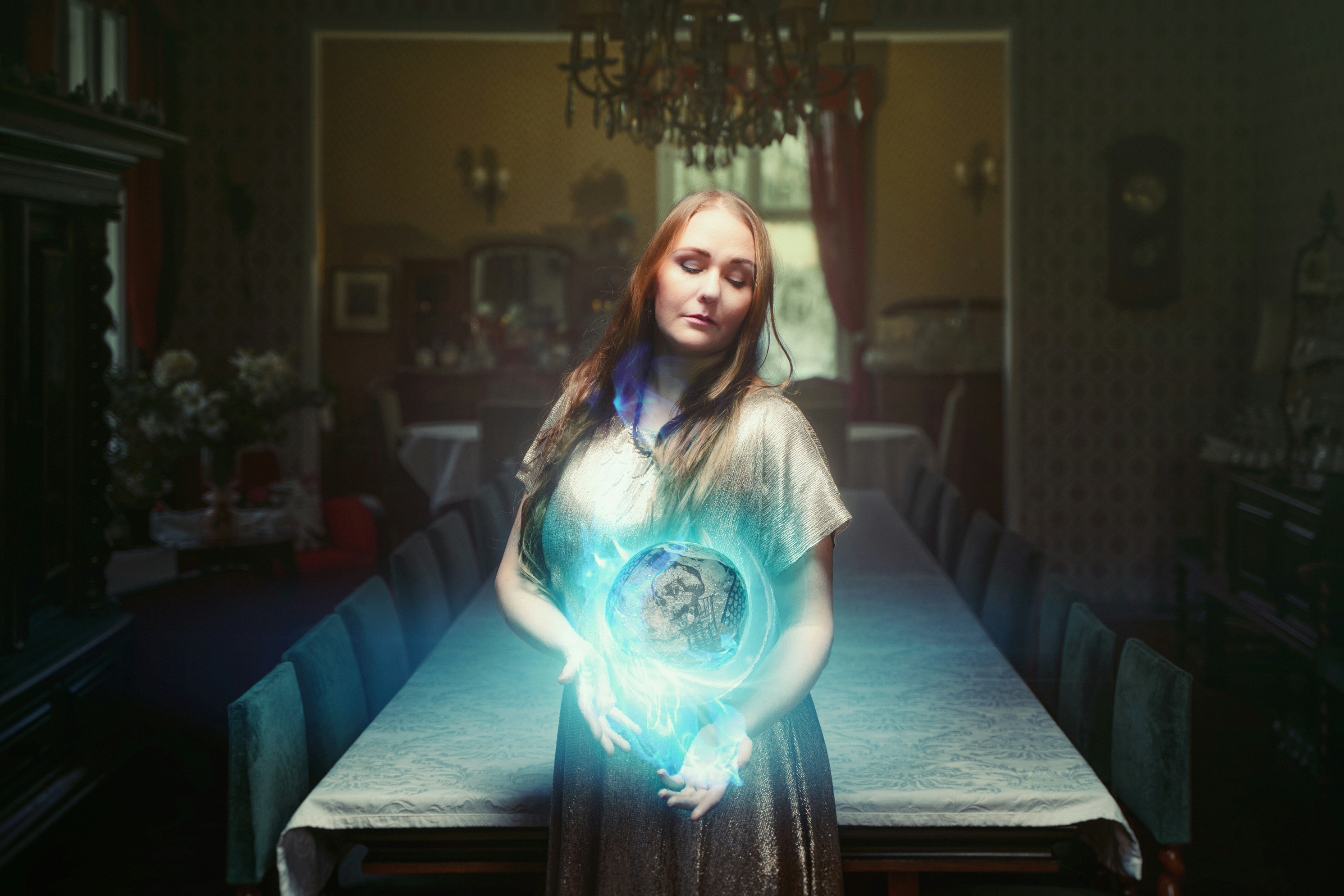
The questions arise: What do researchers from Finland, Sweden, or Norway look like? How about a New York street cleaner? The pursuit of these answers embarks on a journey I undertake in December with the support of the Kordelin Foundation. It’s a great opportunity to start an art project that blends glass and artificial intelligence. My intention is to capture stereotypes in the early stages of visual artificial intelligence programs. Technology is a mirror reflecting the complexity of humanity. Visual AI applications mirror societal assumptions about social classes and backgrounds. Image recognition, for instance, can paint a picture that people in certain environments or wearing specific types of clothing belong to a particular social class.

I filter this data through the ancient techniques of mouth-blown glass. It offers a unique opportunity to scrutinise stereotypes through the intangible medium and see into the intersection of technology and art. Can technology operate as the medium of art and what is its potential to challenge, transform, or reinforce our perspectives on the world? The synergy of ancient glassblowing and modern AI creates a space where contemporary stereotypes can be critically approached through art.
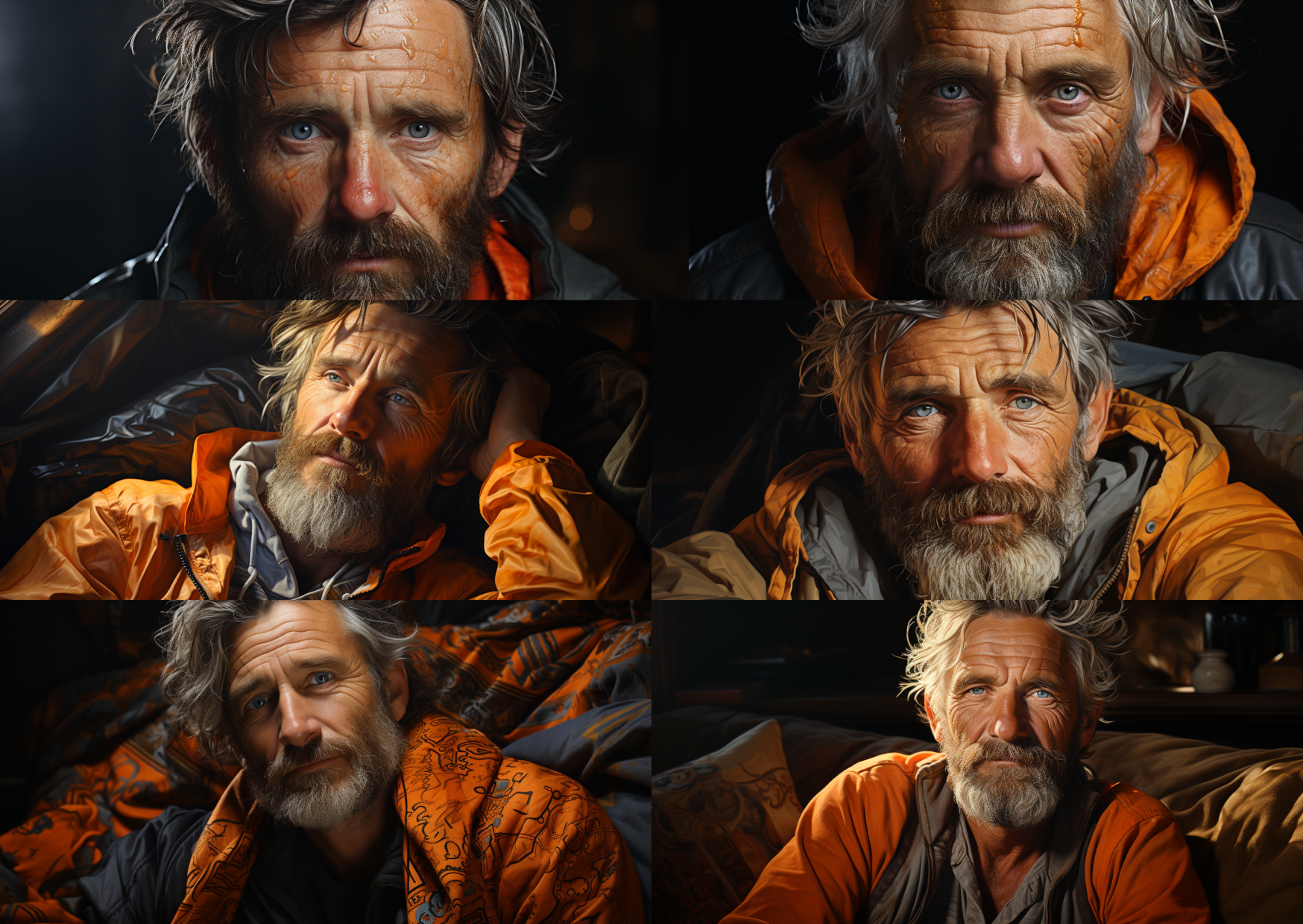
What does a liar look like? Well, as a bearded man in a hoodie? Lying, deceit and evil people are the characteristics connected to this orange hooded archetype. The recurring appearance may stem from both the training data used and the algorithm’s generalising nature in response to specific search commands
tekoäly ai artificial intelligence taide contemporary glass contemporary art taiteilija taideteos
In the eyes of artificial intelligence: a New York City street sweeper. I am interested in how nascent AI applications reflect societal stereotypes. Generalisaitons related to professions and gender are widely acknowledged issues, and it’s certain that they will evolve rapidly in the coming year. In the artistic process, I also pay attention to this change.
In depictions of mental illnesses, such as schizophrenia, generated by artificial intelligence, recurring patterns include faces that predominantly represent men – who look like they’ve been snipped straight out of Netflix . In image generations, for instance, the phrase ‘evil person’ primarily produces images of older men.

I’m interested in introducing more people to the fascinating world of glass and keeping it accessible. I’m part of a multinational project pushing to get glass recognised on UNESCO’s prestigious list. But let’s face it, having a fancy status isn’t enough; we need to take real action and spark fresh interest in glass art. The craft is fading fast worldwide. As the glass experts exit the scene, their endangered know-how is quietly slipping away. My ambition is to act as a catalyst, pushing the industry forward through inventive collaboration

As we stand at the crossroads of time, where the medieval craftsmen and the futuristic AI cyborg converge in the glass studio, it becomes apparent that the journey undertaken is not just through the lens of art and technology – it is a narrative that mirrors the complexities of our evolving world.

Thank you Kordelin foundation for the support! #kordelininsäätiö #kordelininsäätiöntuella

Exhibition in G12, Helsinki

lasitaide lasiveistos nykytaide
Snake-shaped chandeliers that weep tears, symbolize the complexities and struggles of domestic life. Snake is a symbol of rebirth and transformation, and a metaphor for the primal, animalistic urges that lie dormant within us. In many cultures, snakes are seen as both symbols of healing and destruction.

Homes are more than mere structures that we inhabit. For they serve as reflections of our innermost thoughts, emotions, and concealed identities. Sini Majuri’s latest sculpture series delves into the non-physical dimensions of our existence.

Sini Majuri’s glass exhibition is open in G12 Gallery in Helsinki from April 22 till May 11, 2023. Pieces blend the tangible and intangible, the old and new, and the handmade and digital. By blurring the lines between art and science, Majuri hopes to capture the ever-evolving nature of art and the human experience – and challenge viewers to consider is it possible that technology could unlock new depths of creativity – Or will it ultimately lead to a loss of authenticity and soul?

The glass sculptures portray layers of feminine countenances of the human psyche. By toying with ugliness and beauty, these works invite to think about the intricate nature of human perception and the multifaceted dimensions of aesthetics. Similarly, the image of a woman with layered faces represent the different roles that women play in society, as well as the complex nature of femininity itself.


Majuri’s work portrays homes as both a sanctuary of comfort and a site of trauma, using symbols like the weeping serpent and layered women to represent the nature of our subconscious. Glass, with its transparency and fragility is a metaphor for the human mind, which is complex and multifaceted. We may curate our homes to reflect a certain image or ideal, but behind closed doors, there may be hidden struggles and complexities that we keep hidden away from view. Antimatter series is showcasing both the light and the dark aspects of domestic life. While Finland ranks as the happiest country in the world, domestic violence remains a significant problem. The transparency of glass reminds us that what we see on the surface may not always be the full story.

lasinpuhallus lasitaide nykytaide veistos
Antimatter series mirror the theme of Homes, how they are the vessels of our being, the repositories of our memories, for they are more than mere structures that we inhabit. Sculptures also offer a reminder that healing and growth are possible, even in the face of trauma and adversity

Glass as a medium highlights the idea of transparency and the power of seeing through barriers. In the same way that glass reveals what lies beneath its surface – sculptures invite viewers to explore the hidden layers of our own consciousness and the stories that we often keep concealed. Transparency underscores the importance of vulnerability and honesty in our relationships, both with ourselves and with others. Glass is a material that is both fragile and strong, transparent and reflective. These qualities are a metaphor for the contradictions and paradoxes that we encounter in our lives.

Sini Majuri’s Artist Meet 4.5 at 12.00 in G12 Gallery, Annankatu 16.

Listen Sini Majuri’s interview in Radio Helsinki from here.

Images by Juha-Matti Vahdersalo

Orinnoro Collection is Now Customizable

Would you like a small piece of art to adorn and enhance your home? The Orinnoro collection now offers customization options for its petite glass jars, which comes with a lid and cast broze pinecone. Customers can select their preferred glass colors for both the jar and the lid to match their personal tastes. To commission your piece, either call, send an email, or effortlessly connect through our contact form at the link.

The bronze pinecone is cast from studio-made bronze, ensuring meticulous attention to detail and unmatched quality. Alongside jazzing up the colors of our petite Orinnoro pieces we also offer the option to order grander pieces from the collection, featuring intricately integrated bronze/glass chandeliers. They’re a bit more of a project to put together, but so worth it. Fancy knowing more? Just hit up Sini, she’s got all the answers.

contemporary art helsinki
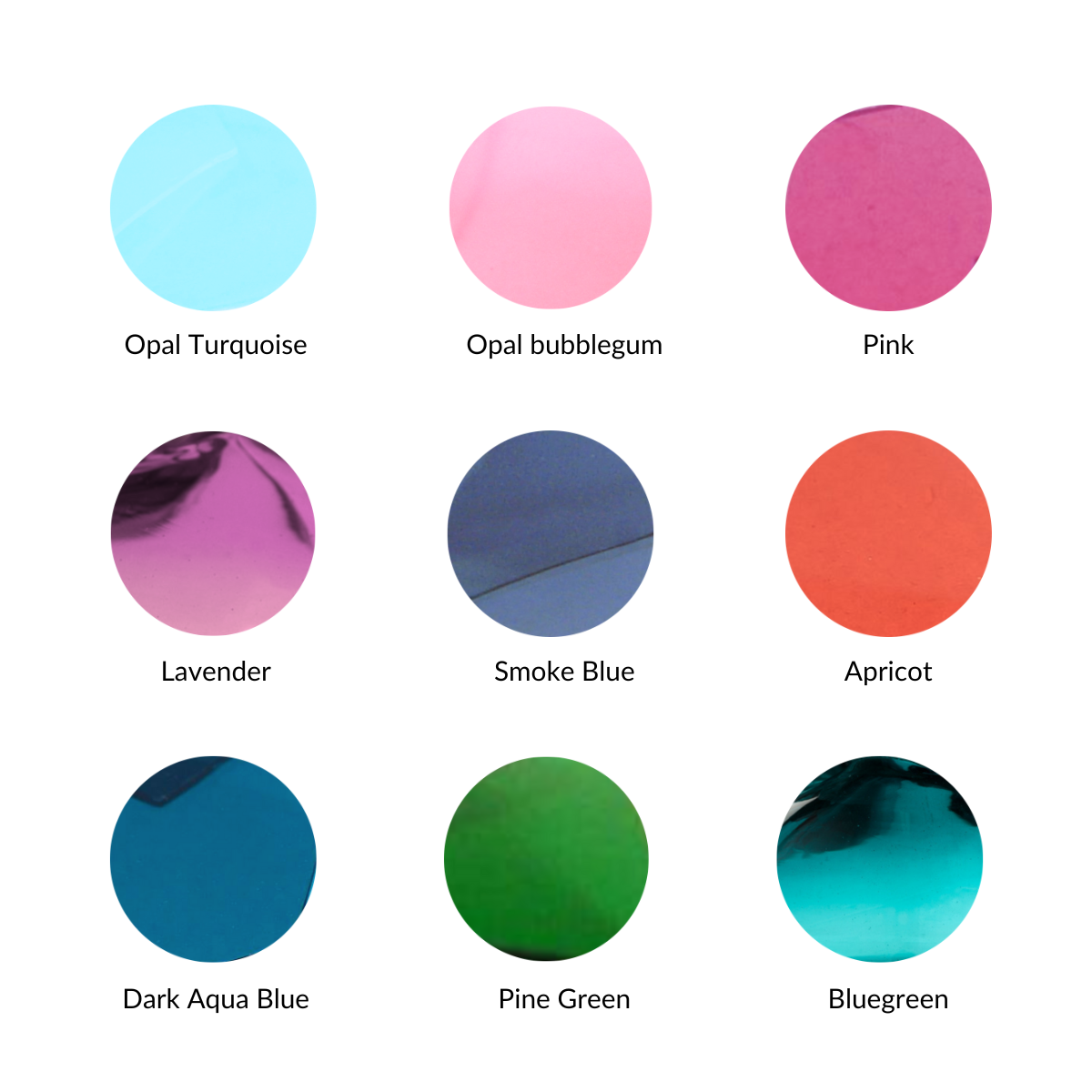
Every petite Orinnoro is crafted by hand in Finland, signed and numbered. Choose from our spectrum of colors, including two opaque opal options and seven clear shades, to adorn both the lid and the base. When you’re ready, reach out to usIn the image there are Opal turquoise lid and pink base glass.
nykytaide contemporary art helsinki finland
It’s crucial to note that glass, being a dynamic medium, doesn’t adhere to a static color spectrum. Lighting conditions can significantly influence the appearance of its color. Therefore, it’s essential to appreciate that the colors of artworks crafted from glass are invariably unique.

Begin by exploring our diverse color range with two rich opal shades and seven vibrant transparent colors for your choosing. Once you’ve curated perfect combination for both the jar’s lid and base, simply contact us through phone, email, or our online form to place your order. After confirming every nuance of your request, we will meticulously craft your personalized jar. Soon, a distinct Orinnoro piece, echoing your chosen aesthetic, will arrive, ready to enrich your space.

Orinnoro is a tribute to the Orinnoro gorge of Leppävirta in my home region in Finland – symbolizing the depth, resilience, and timelessness of nature. It mirrors the world of glass: a material, like a gorge, is shaped by time, pressure, and artistry. The pinecone, a seemingly modest harbinger of nature’s quiet yet profound mysteries has been emblematic of the mathematical intricacies inherent in our universe. Each delicate scale, harmoniously arranged in nature’s precise algorithm, whispers tales of age-old wisdom and the intrinsic patterns that dance silently yet potently through all existence.

Each customized small Orinnoro item is set at €1350. Please note that this price does not include VAT and shipping costs. For a comprehensive quote encompassing all fees and to inquire about the current lead time, do not hesitate to reach out.

The grand Orinnoro pieces

Within the larger Orinnoro pieces, a delicate balance is masterfully achieved as weighty bronze crystal chandeliers and sculptures are seamlessly integrated within the glass. These grander items, with their intricate details and pronounced presence, serve as statement pieces for any space. Contact Sini to hear more about the large Orinnoro objects.

Infinity Vessel

Infinity Vessel production fuzes holographic art and AR together with studio made glass. Infinity Vessel Video by Juha-Matti Vahdersalo & Iiro Svanbäck.

Finnish glass artists Sini Majuri and Marja Hepo-aho discover the limits of the ancient art of glass in the Infinity Vessel production opening in Venice on September 2022. The myth of Pandora comes to live when contemporary glass mixes with holographic art, haunting soundscapes and grim interpretation of AR.

Majuri and Hepo-aho uses augmented reality as a way to illustrate a hidden – subconscious levels of human mind, where all the fears live. The modern tech reaches the intangible surfaces of expression in the narrative that mirrors the state of the society – asking what happens when human is disconnected from humanity.

As in the myth of Pandora, hope is an important part of the whole, and it is reflected via the profound connection between humanity and craftmanship. The connection is interpreted in a Live glass blowing show at the legendary Berengo Studio Murano.

 The surreal project reflecting the state of the society will be exhibited in Venice on September 2022. Image by Juha-Matti Vahdersalo. 

In the glass show the artists demonstrate how the hope is the final thing released from the Pandora’s vessel. The vessel is paradoxically broken and whole at the same time – as a metaphor to a human.

Infinity Vessel production is a riddle where the participants are experiencing contemporary glass art in a adventurous way. It is a live show, exhibition as well as a real life treasure hunt where valuable glass sculptures are hidden in the maze of Venetian Streets. The open hunt will last for nine days and has a AR level tied to the experience – where the treasure hunters will see the horrors of Pandora spreading across the ancient city.

In the treasure hunt valuable artifacts are hidden in Venice for anyone to find. Image by Juha-Matti Vahdersalo
The Infinity Vessel project has three parts: an installation, live show and a treasure hunt. The installation is a vessel that is broken and whole at the same time, as a paradox. Horrors and nightmares are illustrated via hographic art and augmented reality – as layers of the experience.

KOTI exhibition at The Museum of Fine Arts Eemil

Sini Majuri’s exhibition has opened at the Museum of Fine Arts Eemil. The theme of the exhibition ‘Home’ (Finnish Koti) is illustrated via poetic blown glass. Home is something that define ourselves: who we are and who we desireto be. Home can mean Chaos or a Serene safe haven. It can be dangerous. Loving. Home is missed. It’s not for granted to have a home. Especially in the midst of pandemics home has evolved into new dimensions.

The cartoon story is captured inside blown glass in the exhibition. The illustrations have broken textures that mimic the feeling of ancient and also reflect on the fragile nature of a human. Sini Majuri, Chambers. Graal technique. Suomenlinna 2022.

The exhibition is part of the program of UN’s international year of glass 2022 – which is why Majuri wanted to highlight the diversity, co-operation and vitality of Finnish contemporary glass in the exhibition. The artist is not only shaping the glass material but the whole creative field and its future.

Studio made glass is an expressive medium that can give a shape to a feeling, the visible and invisible levels of existence. The theme Home is mirrored via multi-layered interpretations of classic Graal- glass blowing technique. Glass story follows the logic of a dream and Home is also seen as a metaphor to a persons psyche. An important part of the narrative is how our own position affects the ways we see each other.

“Inside the optical, vivid glass, a face is distorted. It is impossible to see it as real because the glass material is never static – as a human never is. I’m interested in human gender and how it has been illustrated in culture over the Millennia. ” Sini Majuri. Family Portrait – Hollywood. Riihimäki 2022
The exhibition first focuses on the atmosphere of the Majuri’s home region and then walks into the building to see who lives there. There are multiple hidden layers in the story that can only be seen from exact angle. The textures of the illustrations imitate ancient feel and broken surfaces. This is a metaphor to humanity. Home is seen as a part of a persons psyche. Sini Majuri. Graal technique. Suomenlinna 2022
Glass is a language of beauty – because it is an optical, reflective material that can express subtle shades of emotions, which are otherwise difficult to reach. The sculptures focus in a way human are seen and looked at. The cartoon is inspired by the selfie culture that is mixed into an ancient feel. The main idea in the story is human perspective: how we are tied to our own viewpoint when looking at others. Multi-layered sculptures illustrate the depth of a person. The exhibition is open from January 28 till April 17 2022 in the Museum of Fine Arts Eemil, Lapinlahti Finland.

Read more about the exhibition from Iisalmen Sanomat News Paper: Link

Read an aticle from the Contemporary Glass Society: Link

The Venice Glass Week 2020

The international Festival dedicated to the art of glass presents its fourth edition: #TheHeartOfGlass, which will take place around Venice, Murano and Mestre from 5th to 13th September 2020. This year’s event place a special focus on the “making” of glass, with the aim of helping to support and relaunch the Murano glass industry. Alongside events including exhibitions, demonstrations and guided tours, the Festival will offer a programme of online initiatives, in order to sustain links with international audiences.

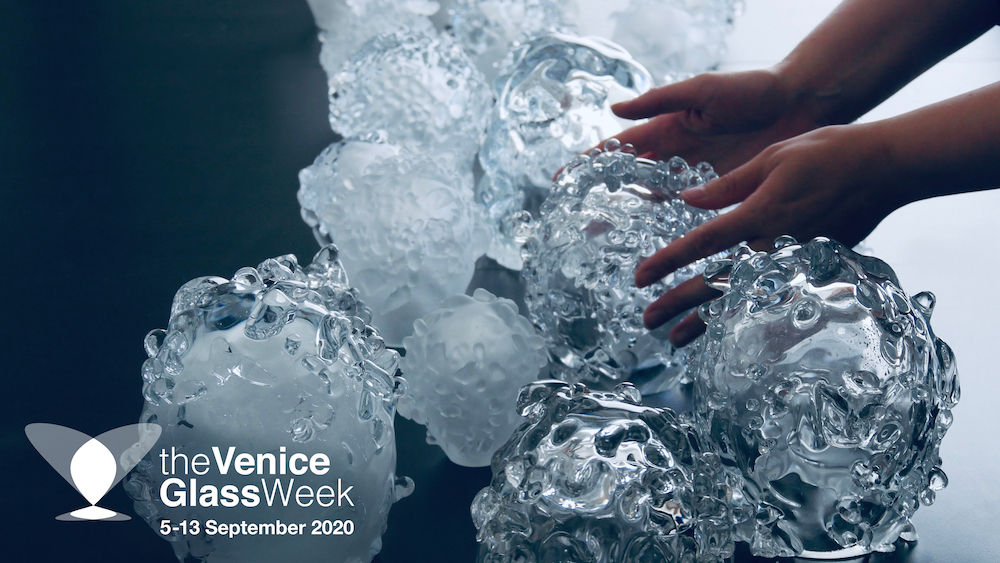
My sculpture is inspired by the microscopic world and how something invisibly small can change the World. Photo by Massimo Pistore

The Floating Furnace, a travelling programme of demonstrations with different stops around the Lagoon. The Venice Glass Week places a special focus on the production of glass, and aims to help relaunch and revitalise the sector – primarily that of Murano – which has faced extreme difficulties as a result of months of closure due to Covid19. The aim is to (re)ignite the passion for the ancient art of glass amongst citizens of Murano, Venice, the Veneto and Italy, and to reach this audience The Venice Glass Week is going to extreme lengths: it is bringing the art of glassmaking out of the furnaces to meet the city’s residents and visitors. Photo: Nexa -Event & Travel Designers, Photographer Federica Lazzarini.
For the first time the Festival has a “title-hashtag”: #TheHeartOfGlass, placing a special focus on the production of glass, and aiming to help relaunch and revitalise the sector – primarily that of Murano – which has faced extreme difficulties as a result of months of closure due to Covid-19.

I’m honored to exhibit my glass installation in The Venice Glass Week HUB in September. Cassiopeia reflects Scandinavian aesthetics and light through organic surfaces. Each sculpture is made from mouth blown studio glass and shaped by hand. The design philosophy behind the ‘Cassiopeia’ is to create poetic interpretation of the weightless yet strong nature of glass. How it allows to see to the deepness of the Universe though the lenses of telescope and into the smallest details of life in the
microscopic world.

The theme in 2020 is “The Heart of Glass”. The festival is promoted by the Town Council of Venice and conceived by three of Venice’s principal cultural institutions with considerable experience and expertise in the field of glass – Fondazione Musei Civici di Venezia, Fondazione Giorgio Cini – LE STANZE DEL VETRO and Istituto Veneto di Scienze, Lettere ed Arti – along with the most important trade association, the Consorzio Promovetro Murano, which also manages the Vetro Artistico® Murano trademark of the Veneto Region. Once again in 2020 The Venice Glass Week has been officially designated by the Regione del Veneto.

Address:
The Venice Glass Week Hub
Palazzo Loredan
sede dell’Istituto Veneto di Scienze, Lettere ed Arti
San Marco 2945
30124 Venice
Italy

Exhibition open to the public: 5th – 13th September 2020 (10am to 6pm)

In line with the strict regulations prescribed by the Italian national health authority in relation to Covid-19, a limited number of visitors will be allowed into the building at one time. All visitors will be required to wear masks.

Cassiopeia lamps for Salone del Mobile, Milan

59th edition of the Salone del Mobile is postponed to 2021.
Cassiopeia lamp is made from recycled Iittala factory’s glass.

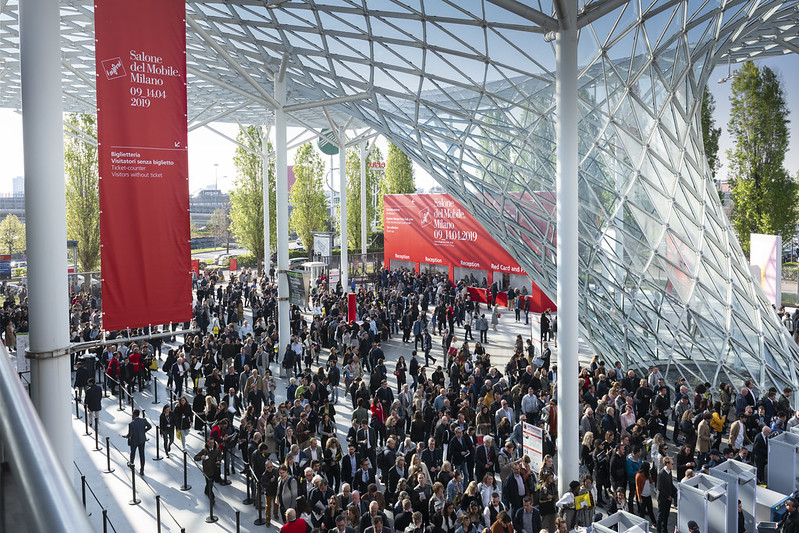
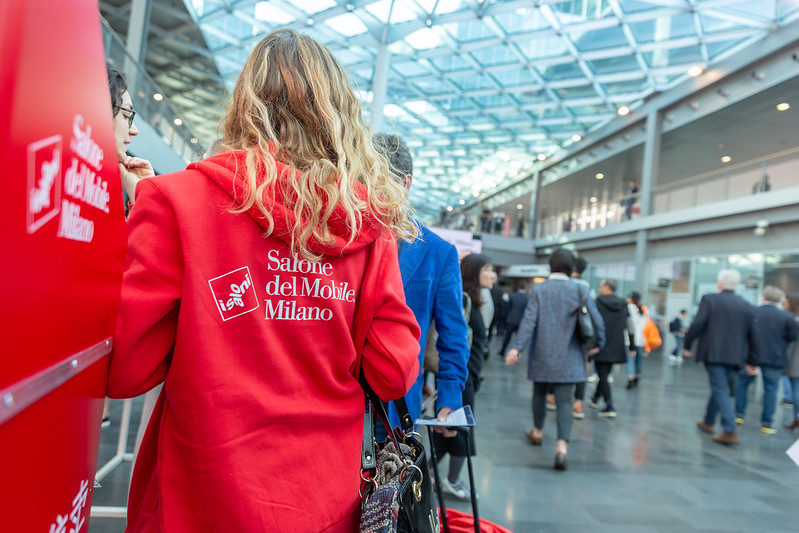
It’s inspirational to be part of the Salone del Mobile 2020, internationally known as Milan Furniture Fair. Last year I visited Italy several times because of Venice glass week and A’Design Awards. I feel fortunate to be able to return once again! The Italian design atmosphere is wild and wonderful. After every visit my mind is full of new ideas for glass.

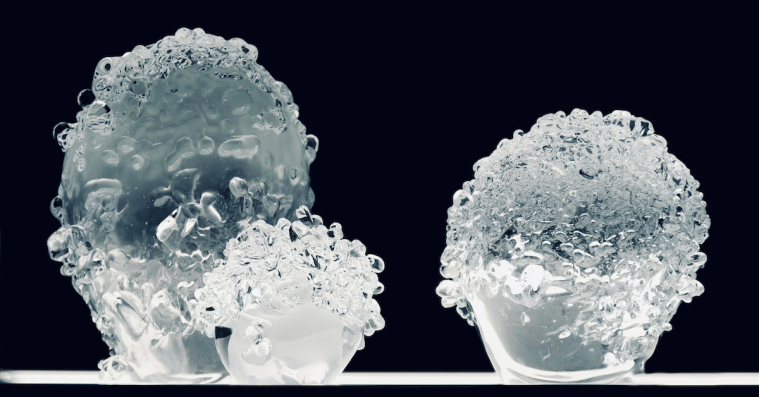
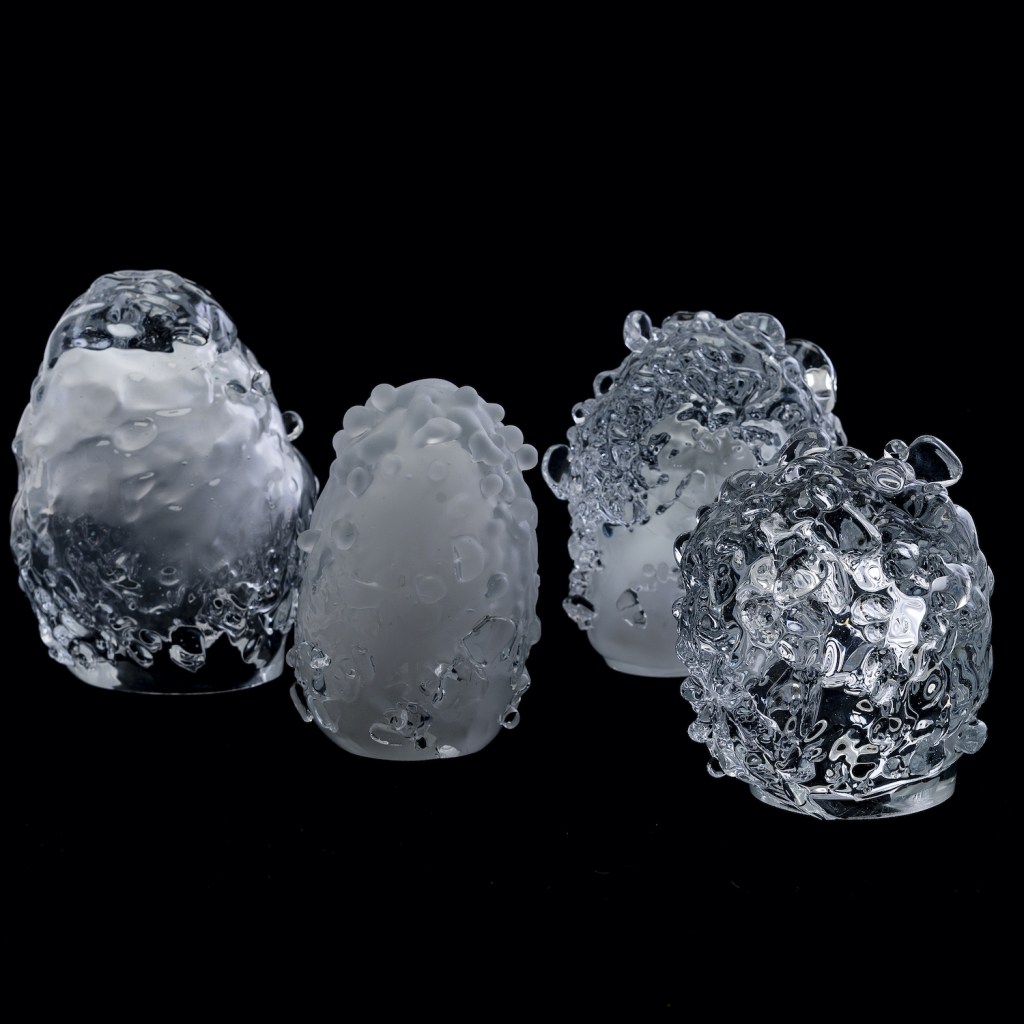
The bumpy surface of the Cassiopeia lamps looks like ice.
The first Cassiopeia item can also be found from Bukowskis online auction
that is open till 4.2.2020. The material is recycled glass.

One of the projects that I will exhibit at the fair will be Cassiopeia. In the Glass Studio Hytti that is located at Suomenlinna fortress island, we use recycled Iittala Factory’s glass. In Cassiopeia I wanted to create an organic shape by gathering large glass sharts on the surface of the piece. This gives the object extremely rough texture that is carefully melted until all the sharp edges have been smoothed into bumpy ice like overlay.

The early prorotypes of the Cassipeia can also be found from Unionin26 design shop in Helsinki. It’s good to get some feedback before the trip to Milan, because there is still time to make the final adjustments to the project. I’m specially interested to highlight the recycled material as the basis of the design. There is somethign poetic about using broken glass as the material of a new piece.

Where to find:

  • Salone del Mobile 2020, Milan
  • Sini Majuri Webshop

Salone del Mobile Milano is postponed to 2021.

Future Classics: A Glass Vase Collection to Netherlands

It has been inspirational journey to design a line of luxury vases for Dutz Collection. The 9 object collection will tour European design fairs during 2018. As a Finnish glass designer it is a great joy to see that a series of high quality studio glass is introduced in commercial setting with a strong message: quality is value. Here is a glimpse to the first prototypes made in Riihimäki. The collection is inspired by the nature.

In this prototype I have wanted to capture the feeling that I have when I look at the nature, green treetops of old oaks. How the leaves are moving. How does it sound like. (Pics. Sini Majuri, Veikko Väänänen)

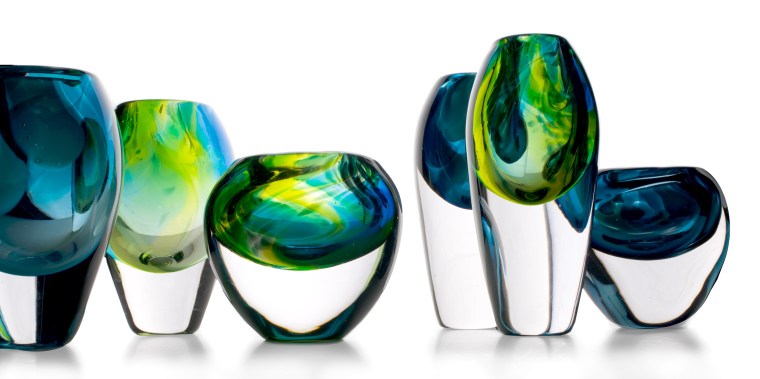
The premise of my glass design is to create objects that gain their value from the quality, design and material. My ambition has always been to create future classics. When I started to design the vase collection to Netherlands, I really wanted to capture the beauty of the glass material. I wanted the shapes to reflect serenity of the medium and to be weightless and strong at the same time.

The core of the collection is to create pieces that have soul: The vases are mouth blown and shaped by hand, signed and numbered. Each piece has unique color play inside the glass.

Sometimes a very simple object can became multi-dimensional, when you use glass medium. There is for example the visual layer of glass: how does the glass reflect, how will the colors look in different lighting. Above all there are also the historical layers of glass which comprice the origin of Finnish glass making and the rare knowledge behind the craftsmanship. It is interesting to contemplate the project from these perspectives and say once again: Quality is value!

Pic. Heidi-Hanna Karhu

On ollut kiinnostava projekti suunnitella hollantilaiselle Dutz Collectionille korkealaatuinen mallisto sisustuslasia. Yhdeksänesineinen kokonaisuus lähtee kiertämään eurooppalaisia design-messuja vuonna 2018. Suomalaisena lasimuotoilijana on ilo nähdä, kuinka Riihimäellä käsityönä valmistettua lasia viedään suurina erinä rohkeasti kaupallisille areenoille näin viestien: Laatu on arvoa!

Lasimuotoilussani lähtöajatuksena on aina ollut suunnitella esineitä, jotka kestävät aikaa: tulevaisuuden klassikoita. Harvinaislaatuisella käsityötaidolla veistetyt esineet viestivät alkuperän tärkeydestä, koska niissä käytetään puhtaita materiaaleja ja ne on suunniteltu ajatuksella materiaalin parhaita ominaisuuksia hyödyntäen, signeerattu ja numeroitu.

Kokonaisuuden teemana on luonto ja sen tunnelmat. Olen saanut suunnitteluuni inspiraation kotiseutuni vanhoista puista ja metsien äänimaisemista. Dutz Collectionin mallistossa esineet ovat massiivista, jopa veistoksellista lasia. Ne ovat muodoltaan samalla vahvoja ja keveitä. Joskus hyvin yksinkertainen muoto voi olla moniulotteinen, kun käytetään lasimateriaalia, koska lasin visuaalisuus heijastaa, peilaa ja antaa mahdollisuuden läpinäkyvyydellä leikittelyyn. Suupuhallettua lasimallistoa voi tarkastella myös suomalaisen lasinvalmistuksen historiaa vasten todeten: Laatu on arvoa!

Design adventure in Japan

It was a great experience to exhibit my first interior design objects in Tokyo. In many ways Japan is a logical place for Glass Mountains – because mountains have a special role in local culture. They can be seen even sacred. Therefore it was easy to explain the philosophy behind the design: that each object has a soul.


IMG_9033
The Interior Lifestyle Tokyo design fair 2017 was held in Tokyo Big Sight that is the largest international convention venue in Japan. My glass design was a part of the Nordic Lifestyle exhibition in Scandinavian Pavilion.

The exhibition halls were beautiful and stylish. The show really was a good vantage point to Japanese design world. I noticed that most of the people spoke only Japanese so it was very important to have a expert interpreter. I was super lucky to have skilful Kanoko as my interpreter to help out!

DSC_0348
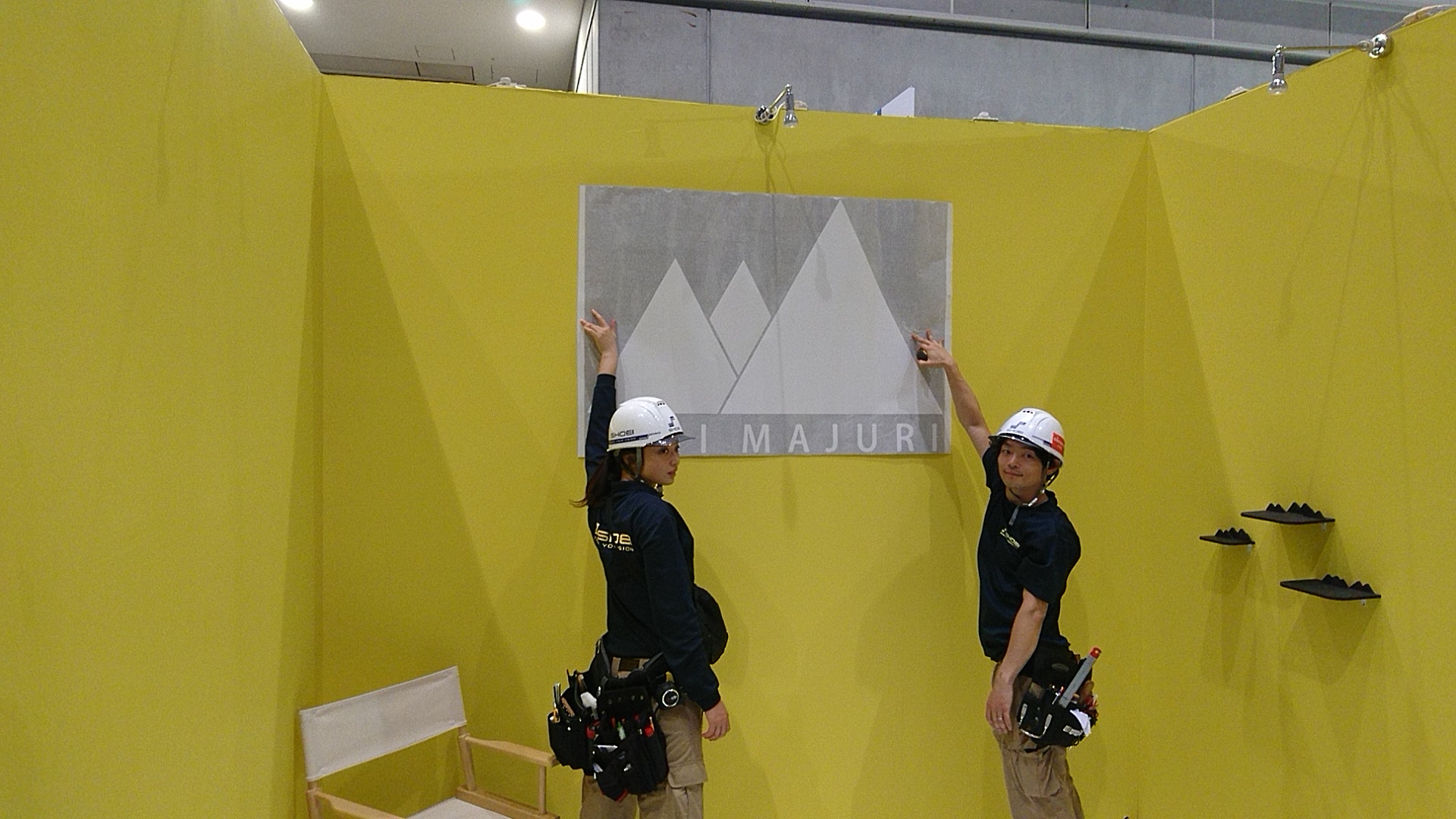
The workers attached the wall sticker on the wall. It was also very interesting to see how a large show like this was created in a fast and accurate tempo!


The way the huge design fair was build up was quite spectacular to watch. First the halls were full of bubble wrap, hammers, power cords and ladders when thousands of exhibiters opened up their cargo boxes. But suddenly when the clock struck six every detail was precise, wall stickers and podiums on their accurate place and the design event was ready for the opening day.


IMG_9037
It was great to get the glass mountains in the front page of the fair guide. It was a big help for reaching out interesting partners during the event!

P1120251
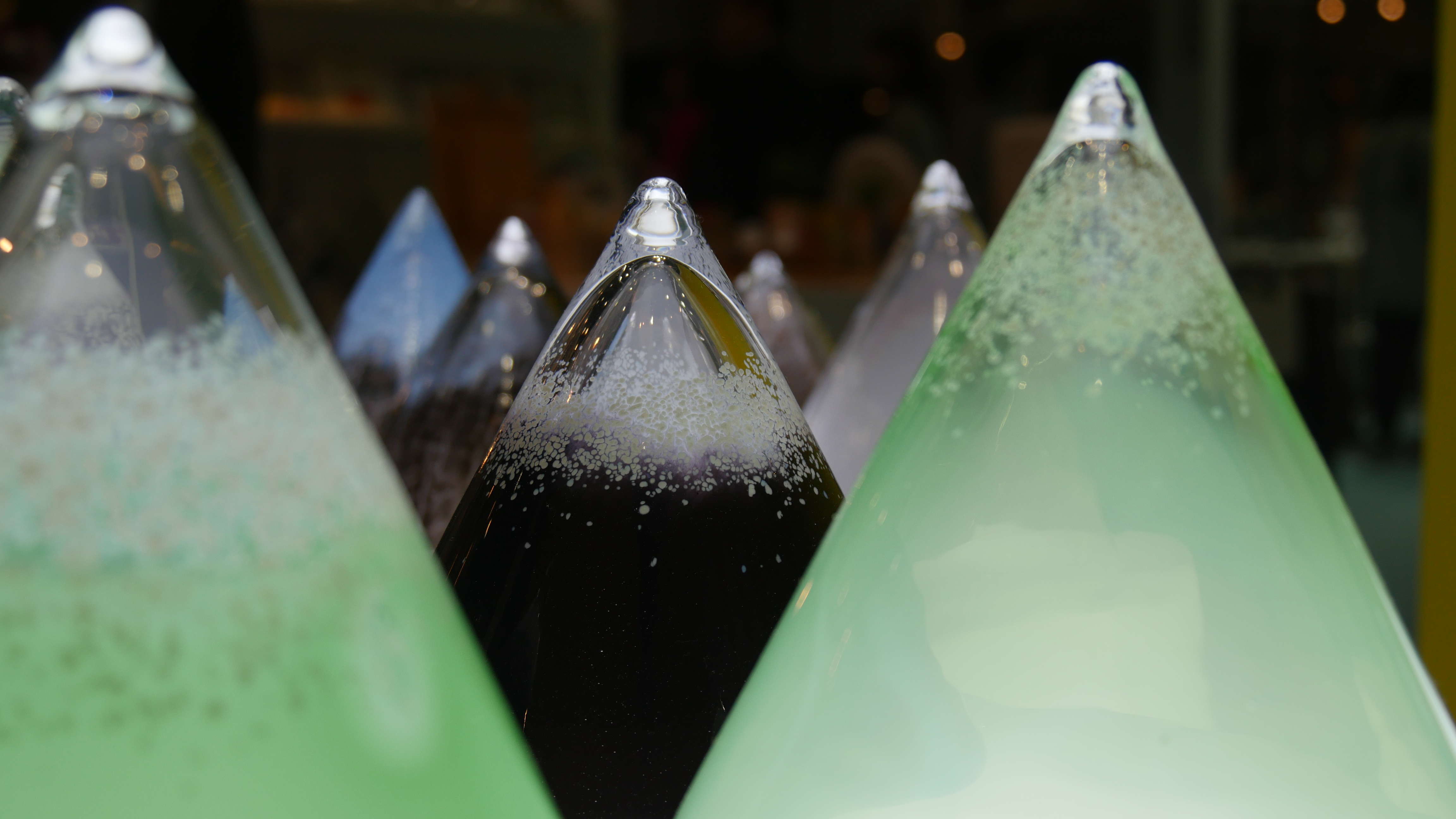
I was happy to see, how people really understood the design philosophy behind the glass mountains: how each mountain is unique and has it’s own “soul”.

IMG_9142
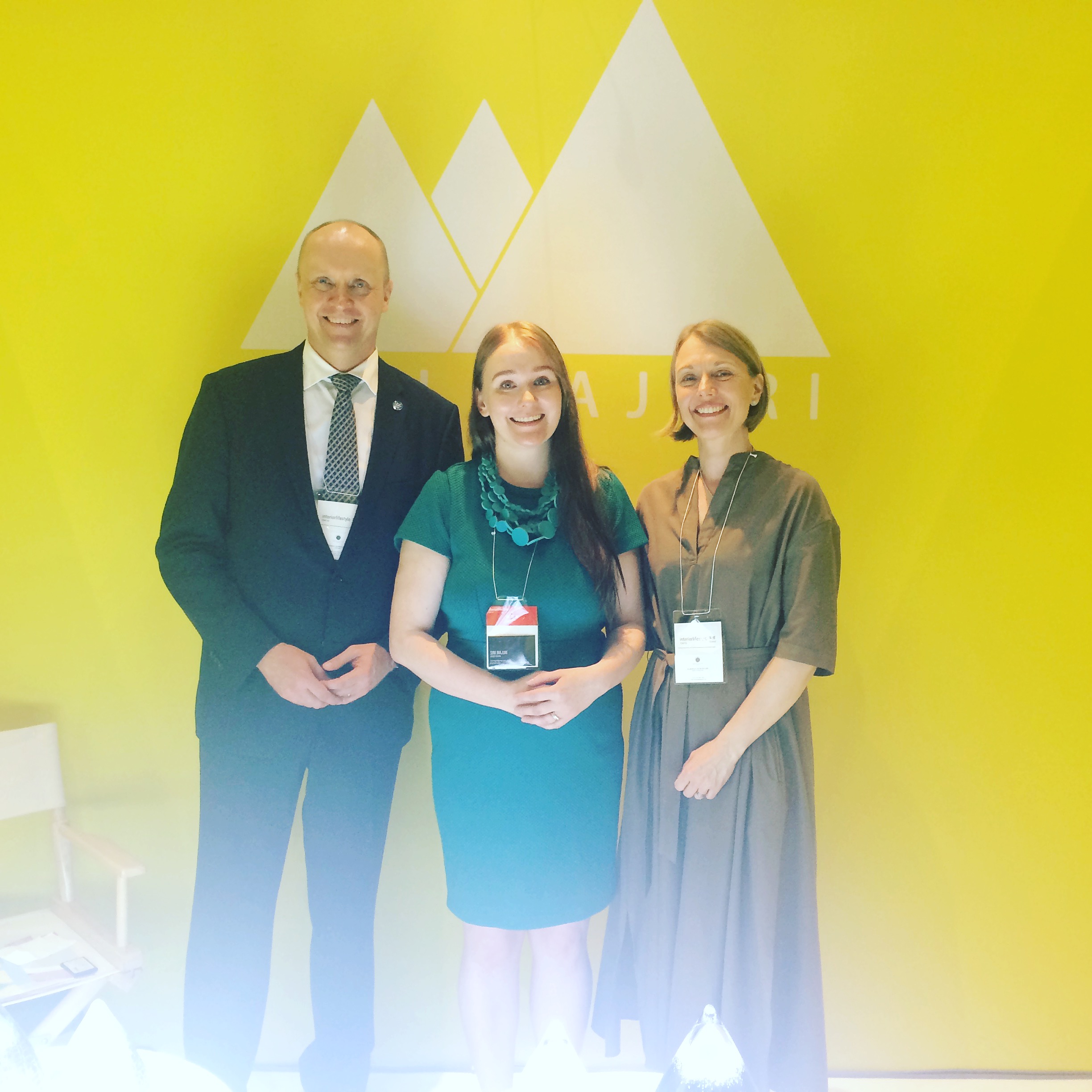
I was so happy to meet the ambassador of Finland and his wife. They also gave some good and cool hints for the future!

Vuoksi glasses are inspired by the melting ice. Each glass is unique like a snowflake.


When looking back this project has been in many ways a dream come true and all the pieces just magically clicked together. I have always wanted find ways to bring my design to the mysterious Japan. I got a great opportunity to start working together with my family company that also made it possible to start manufacturing glass mountains as a serial interior design object. It was also great to see how the local countryside fund in Suonenjoki jumped in to support our design journey. Glass mountains from a small countryside city travelled a great distance to Tokyo to find cool new opportunities! Thank you so much to Mansikka ry and Maaseuturahasto for supporting our design adventure in Japan!

Find more info from my new Facebook pages!

P1100820


Glass Mountains

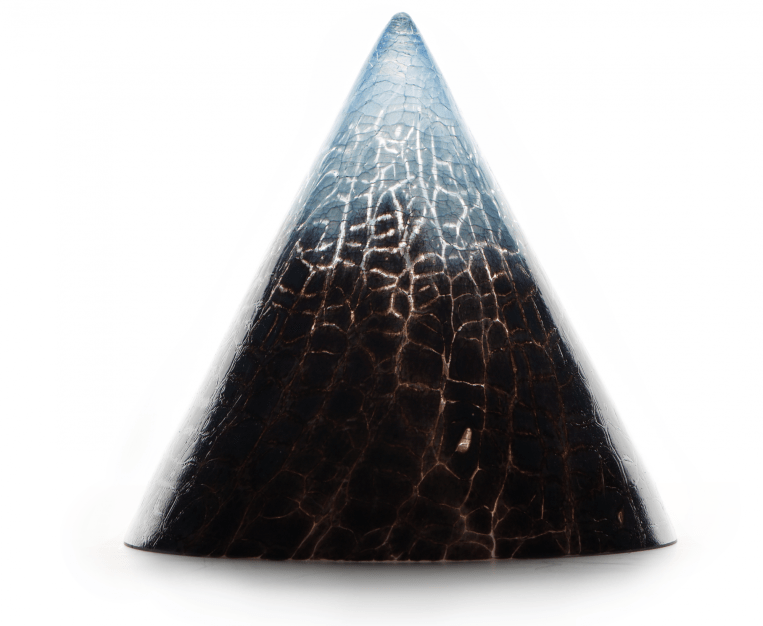
VUORI glass mountains are sophisticated interior design objects for elegant and modern spaces. Each unique peak is handcrafted in Finland with high standards. Mountains can be used as decoration objects and custom interior installations. The 2017 series is inspired by the Scottish Highlands. Textures, colors and the athmosphere of the glass pieces resonate the unparalleled scenery of the Highlands.

Glass mountains will be presented in ILT Interior Lifestyle Tokyo design fair in Nordic Lifestyle Pavillion in June 14 – 16. Come and visit the exhibition to find your own soulscape made from mouth blown glass!

作家Sini Majuri(フィンランド) フィンランドでz生まれたガラス・デザイン。 ガラスの山々からなる、たったひとつだけのノルディックな景色を創りませんか?インテリア・デザインにソウルを! この山々は1000度の溶岩状の溶融硝子を、冷氷水の中に浸すことで造られています。

ILT interior lifestyle Tokyo

Nordic Lifestyle

West Hall 1, D-12

Sini Majuri: Vuori

June 14 – June 16

Tokyo, Japan