Cinderella 2.0 at New York Fashion Week

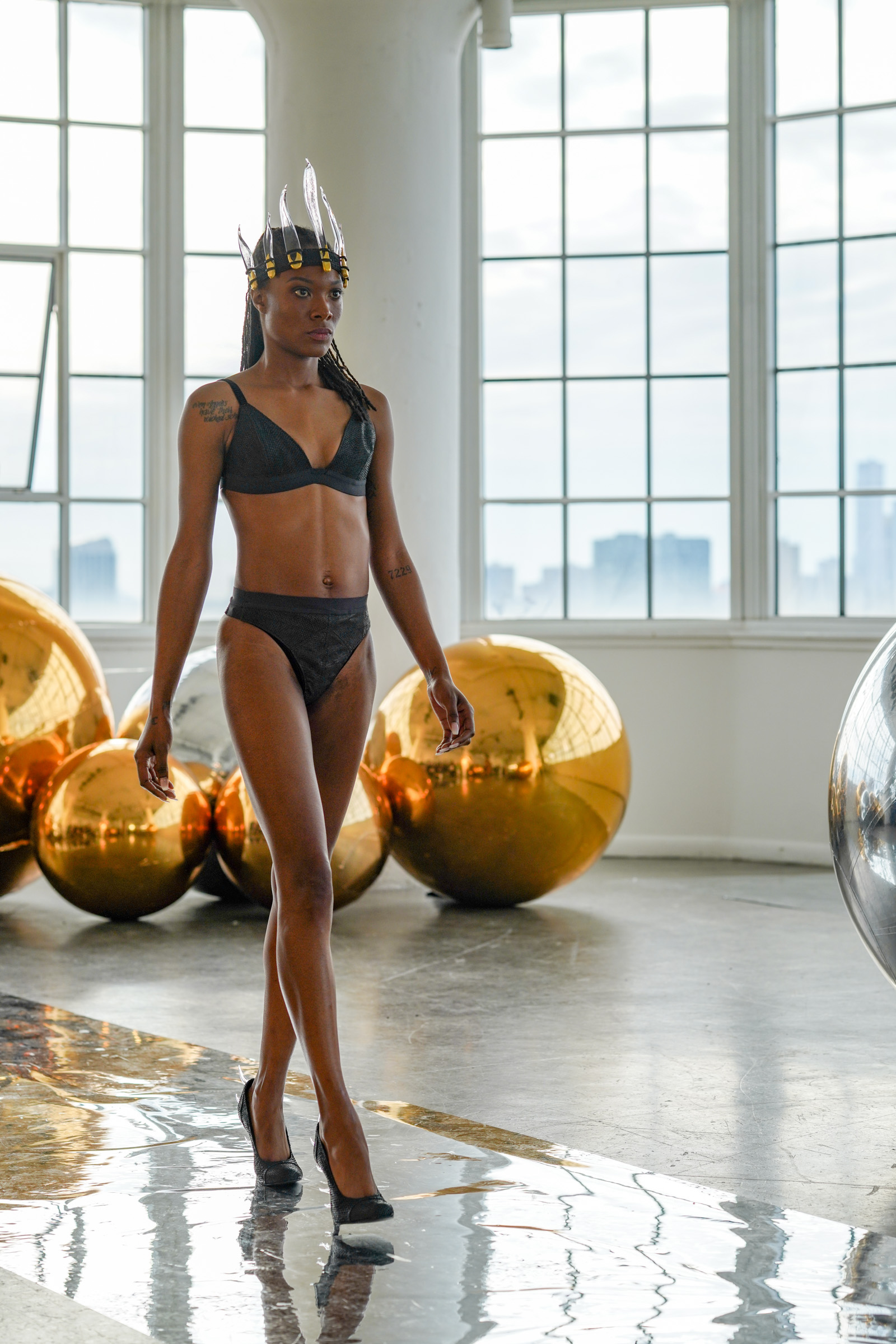
At New York Fashion Week, during the Flying Solo show, the audience suddenly fell silent, holding their breath. Ballet dancer Mira Ollila walked in an otherworldly slow motion above everyone with glass horns on her head and 35 cm high glass heels on her feet. Cinderella 2.0 had arrived on the catwalk!

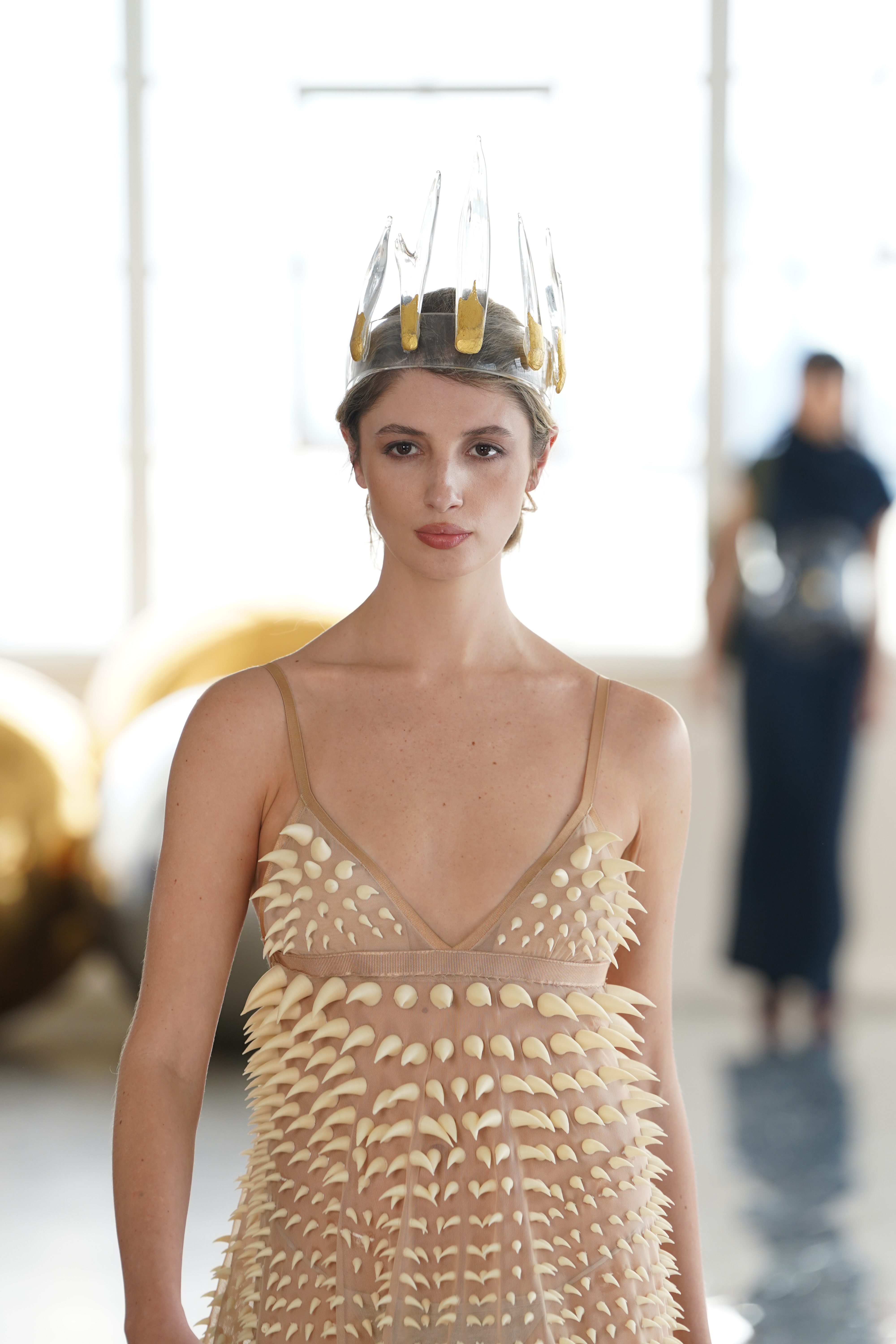
The Infinity Vessel catwalk show was very personal to designers Sini Majuri and Marja Hepo-aho. The collection mirrored the archetypes of femininity and engaged a discussion about how women are perceived in society. The archetypes – Madonna, whore, victim, forbidden woman, mother, old woman, evil, and matriarch – each represent both the societal woman and shared experience and relationship with femininity. Particularly, women’s rights and the right to their own bodies are at the forefront of the work as glass embodies humanity in the artworks.

New York Fashion Week, Flying Solo Show, Canoa Studios, glass shoes, glass heels, cinderella shoes, glass art, sculptural shoes
35 cm tall glass shoes are made in Finland. The materials are 3D printed wood, blown glass and fish leather. Photo Barbara Raw.
New York Fashion Week, Flying Solo Show, Canoa Studios, glass shoes, glass heels, cinderella shoes, glass art, sculptural shoes
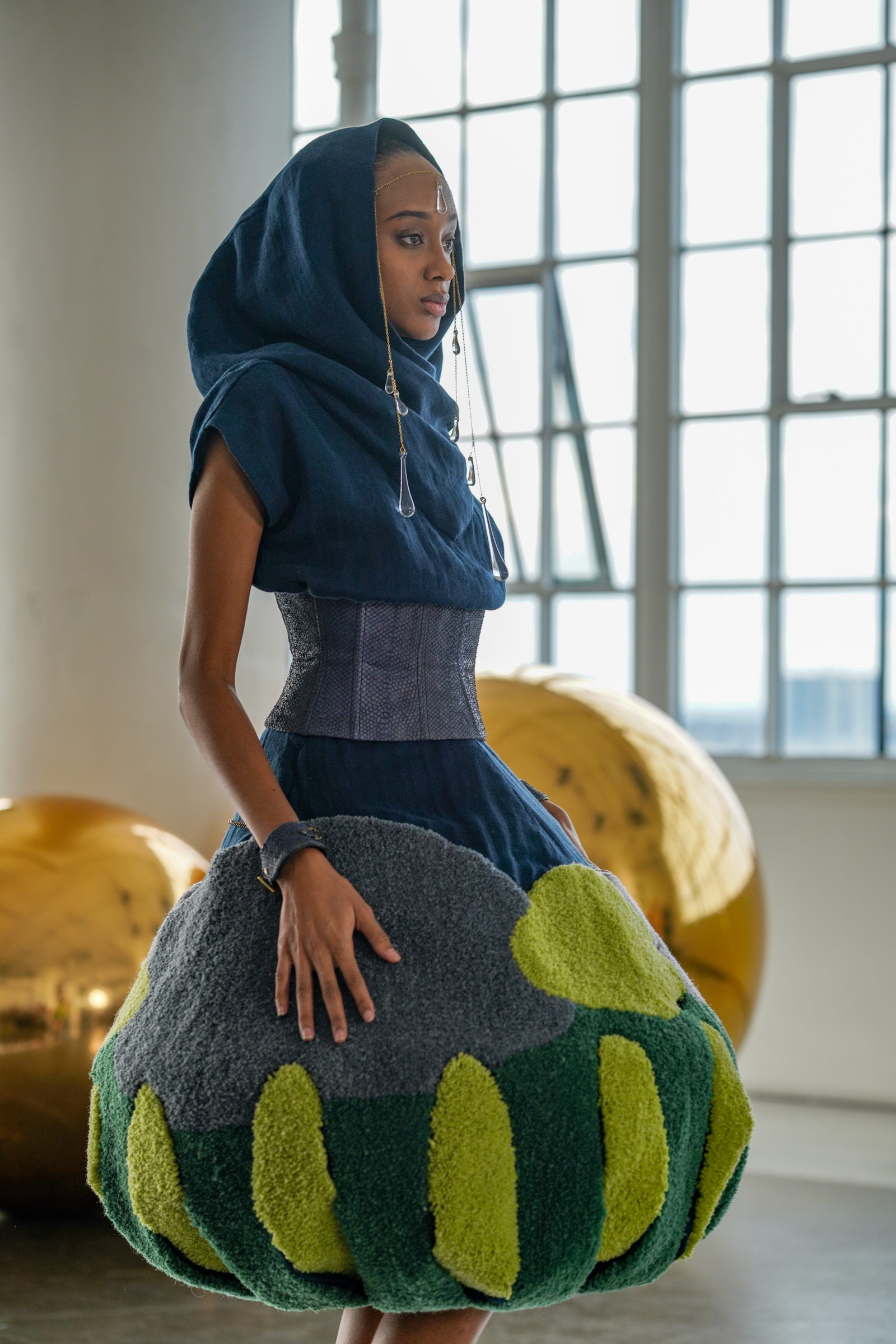
Ballet dancer Mira Ollila’s feminine archetype was that of the forbidden woman. Veiled in a silky shroud, she moved as if floating in the air, yet the glass shoes weighed heavy. Walking in them demanded exceptional skill. Photo Barbara Raw

December 2023, glass was officially recognized and added to UNESCO‘s Intangible Cultural Heritage list, a testament to its global significance and the dedication to preserving its legacy. The Infinity Vessel initiative is building on this momentum by taking concrete actions to bring Finnish glass into new arenas where it traditionally might not be found – aiming to innovate and expand the cultural footprint of this craft by influencing contemporary culture and art.

NYFW is one of the world’s most prestigious fashion events. The challenges in the fashion industry relate to questions of how we value people and how these values are reflected in society, as well as ecological and ethical challenges in the industry. Clothing manufacturing and consumption practices impact the environment and human health, and the sexualization and objectification of the female body influence how women are treated and perceived in society. In the New York Fashion Week presentation, Infinity Vessel takes a profound look at fashion and clothing as phenomena deeply connected to humanity.

The archetype of the matriarch found its form only in the final moments, while we were in New York. The glass armor revealed the model’s bare chest. A large snake, laser-engraved and AI-illustrated onto Spinnova’s innovative fiber, symbolized rebirth, the woman of the future. How will a woman’s essence change in the future, and what role does tradition and technology play?

Just before the show, the mother archetype emerged, representing discussions on women’s reproductive rights. The glass womb, wrapped in gold, symbolized both protection and burden—a reflection of societal pressures. Yet, the unbreakable golden knots hinted at resilience. This archetype was also featured in ELLE Magazine.

Infinity Vessel collection at Flying Solo fashion Show at Canoe Studios during New York Fashion Week 2024. Models Carl Nowak, Courtney McCoy, Gayeon Jang, Lara Jalloh, Ni Simone, Vivian Sun, Sydney Schnee and Mira Ollila

The team wore glass crowns at every event, even at the parties, attracting a lot of attention. Each glass crown is custom-made, with the human head 3D-scanned to create the mold. In the artworks, origin is important, even within the framework of fashion. Where do our clothes really come from, and who made them: Aino Simola shaped and created the costume pieces designed by Sini Majuri and Marja Hepo-aho at her studio in Riihimäki. Alexandra Holmes was in charge of printing the UPM-developed 3D-printed wood onto the garments. Inweb Oy manufactured the printing material in Finland. Tytti Porvari handcrafted the shoes using fish leather, Joonas Salo tufted the tufting-works in Helsinki.

We examined what kind of artwork a fashion show can be, and Mira Ollila brought a lot of depth to it with her physical expression. We wanted her in the piece because she has played a significant role in every Infinity Vessel work. In the first piece presented in Venice, she appeared in holographic art and augmented reality as a zombie. In the RoboBallet presented in Finland, she danced the dance of death with a Boston Dynamics robot. In New York, she walked in glass heels, adding a significant element of danger to her walk. No one else could have walked in them.

Photographers: Ilya S Savenok, Getty Images. Barbara Raw. Victor Pagan Photography. Tony Thanawat
Summer Collections

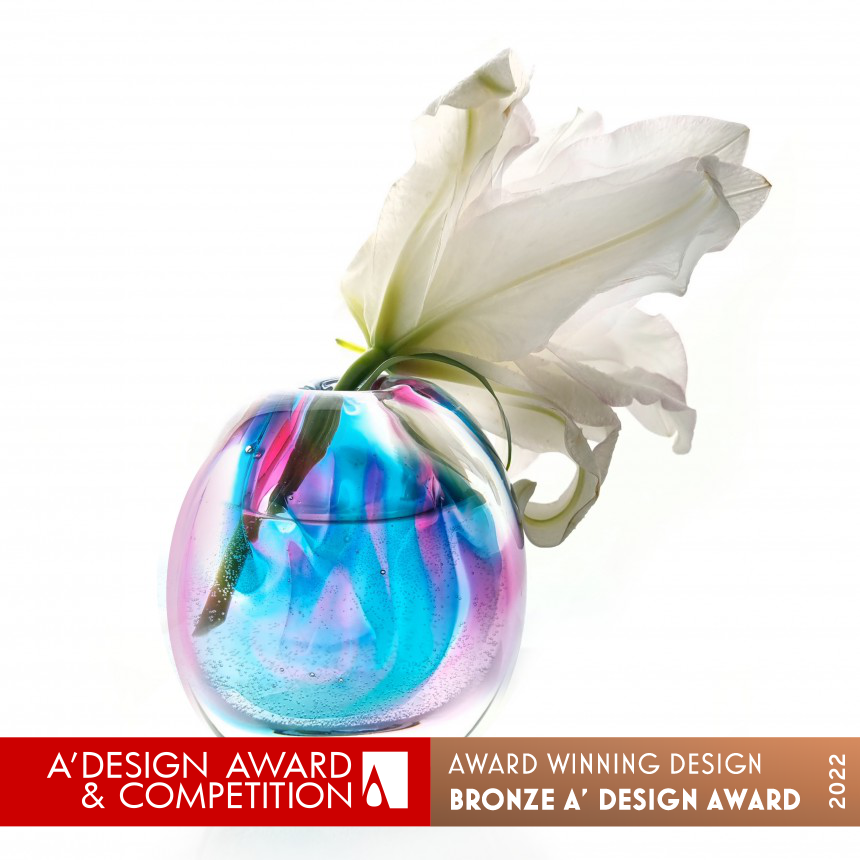
I’m delighted to receive four design awards from the international A’Design Awards! The summer 2022 collections Pikku, Purnu and Orinnoro as well as Suonenjoki vase designed for the city of Suonenjoki were awarded. It is especially meaningful that studio made glass is represented and appreciated in these sort of design forums in the United Nations International Year of Glass 2022. Furthermore it is great to launch these new collections with such a positive starting point as I have started new collaboration with Momono Design Store in Helsinki! If you are visiting Helsinki, you can find Momono from Yrjönkatu, near Design Museum. I have also started to collaborate with Taiko. You can visit my online gallery from here. It has also been a great honor to be chosen into international Homo Faber guide. You can find my site from here.

One of the most memorable projects have been an interview by Isabel Laine for her Bachelor thesis (Suomalainen lasitaide nykytaiteena. Esimerkkinä Sini Majurin nykylasi) for the University of Turku. The thesis is about the relationship of contemporary glass and contemporary art.

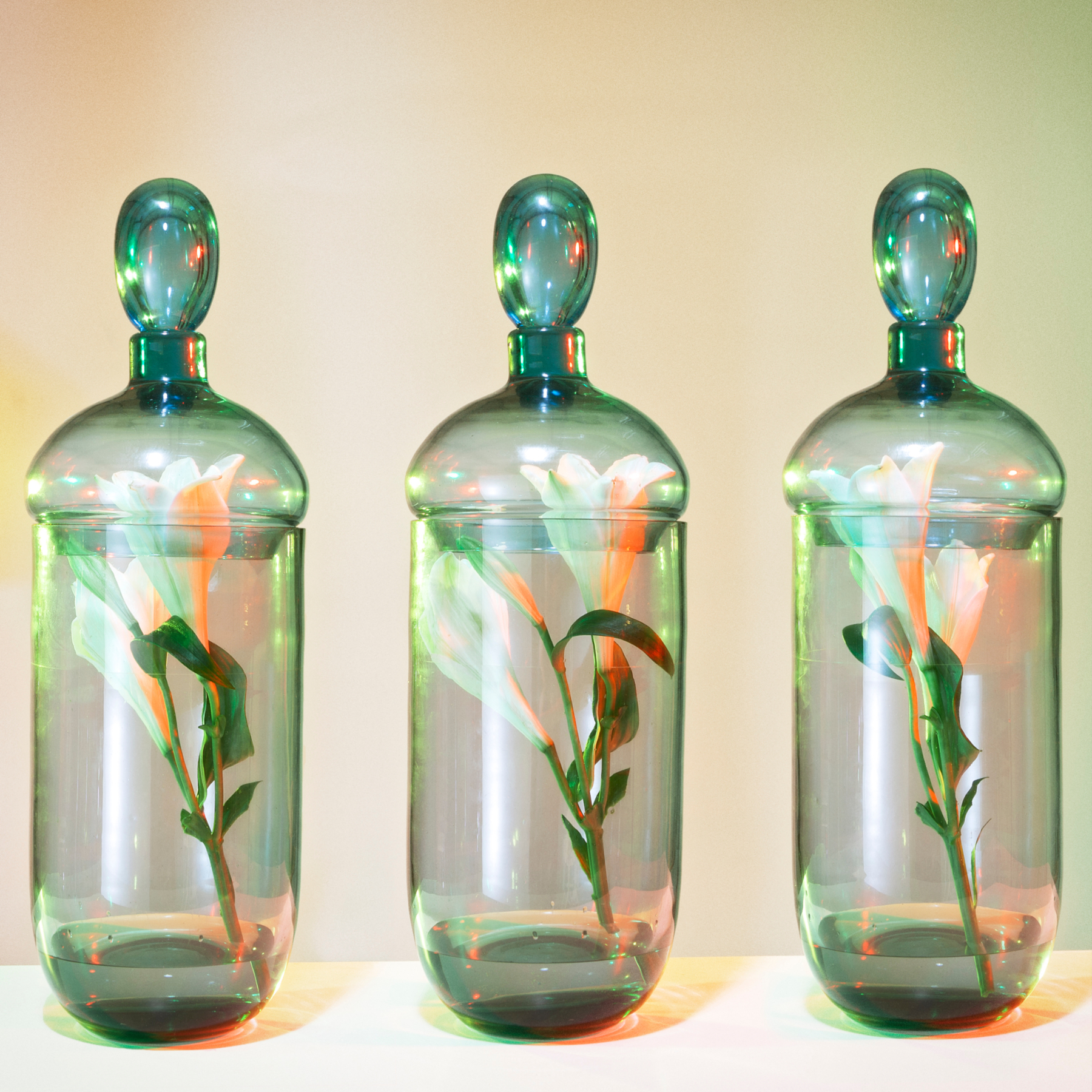
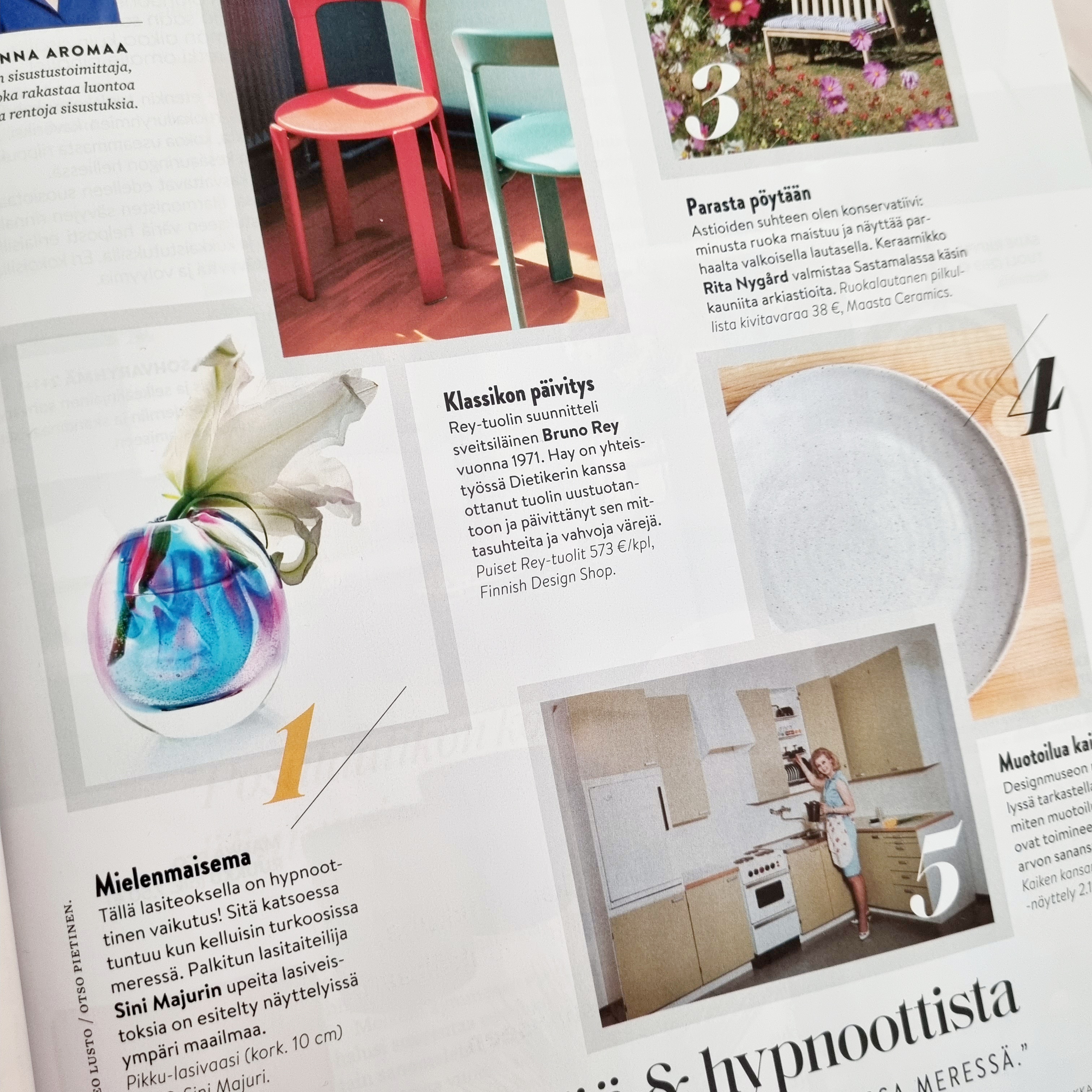
This summer I wanted to create something cute and small. Pikku is my first mini size vase and it is studio made in Suomenlinna island. Vases are inspired by soap bubbles and romantic movies. The philosophy of the Pikku is that the small details in our life are precious. In the hectic world it is important to pay attention to a single flower. Vase won a bronze award and was also noted in Avotakka magazine May issue. The vases can be found from Momono as well as from my studio.

Purnu jar is also something rather flirty, pink and smaller than my usual objects. As a designer I usually prefer using quite voluminous glass, which is still present on the thick bottom of the Purnu jar. Actually 20 cm tall Purnu is a miniature version of Orinnoro jar that is a 65 cm tall. The collection is inspired by marshmallows and pop culture. The design philosophy of the object is to reflect the Northern aesthetics with playful colors and simplified shape. Both Orinnoro and Purnu won Bronze and are created in Riihimäki, Finland at Mafka&Alakoski glass studio. Suonenjoki vase was designed for my home town, Suonenjoki. Therefore it was truly touching to also win an award from the vase.

This spring I have also been designing a new sort of project for the Finnish Craft & Design fair: an unique art piece for the event to use as their theme object. You can find the entire interview about the project from the link. The sculpture was made with traditional graal glass blowing technique and the theme of the piece is The Future. The idea of the sculpture is that one must see up close to see far too. When you look inside an object, you first look through lace, as if through a human craft tradition, inside a cell and into humanity. Hands support the future. At the same time, glass is eternal but fragile. Delicate and strong. It’s kind of a paradox.

The craft fair will be held in Tampere. Finland.

Sini Majuri wins three A’ Design Awards from Italy

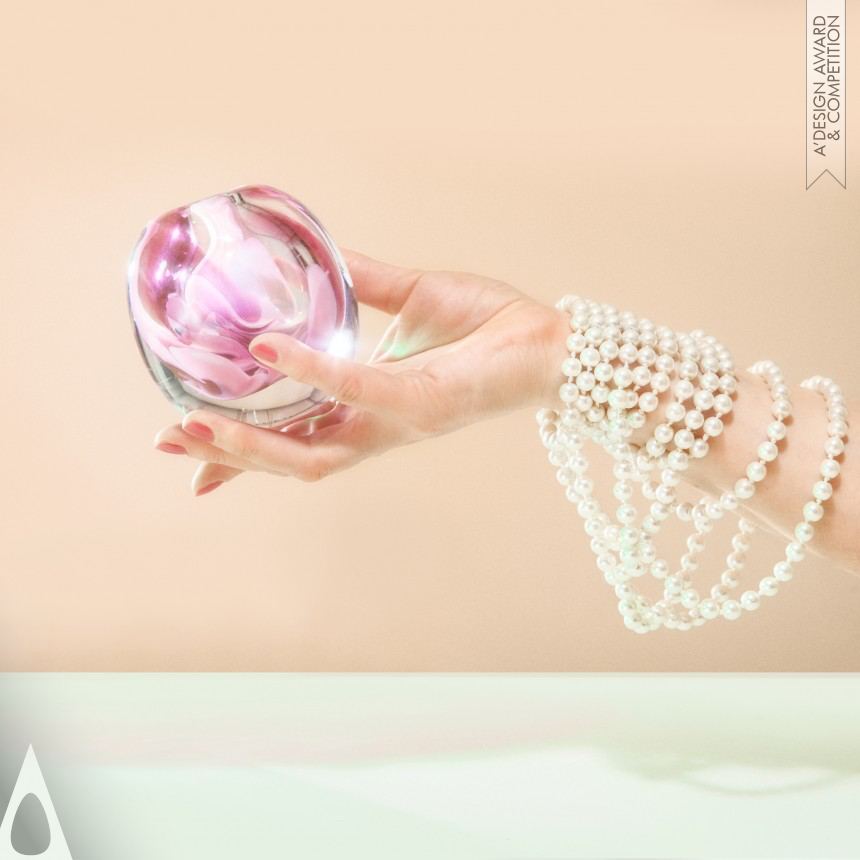
A’ Design Award and Competition is the worlds’ largest design competition awarding best designs, design concepts and products & services. Image by A design Award.

Sini Majuri has been honored with two renowned Silver A’ Design Awards and one Iron Award. The Rainforest glass series won the Silver from Furniture, Decorative Items and Homeware Design Competition. Also Majuri’s work Iceberg won a Silver Award at Arts, Crafts and Ready-Made Design Competition Category. The Iron award was given to Majuri’s Spike lamp design at Lighting Products and Lighting Projects Design Competition Category.

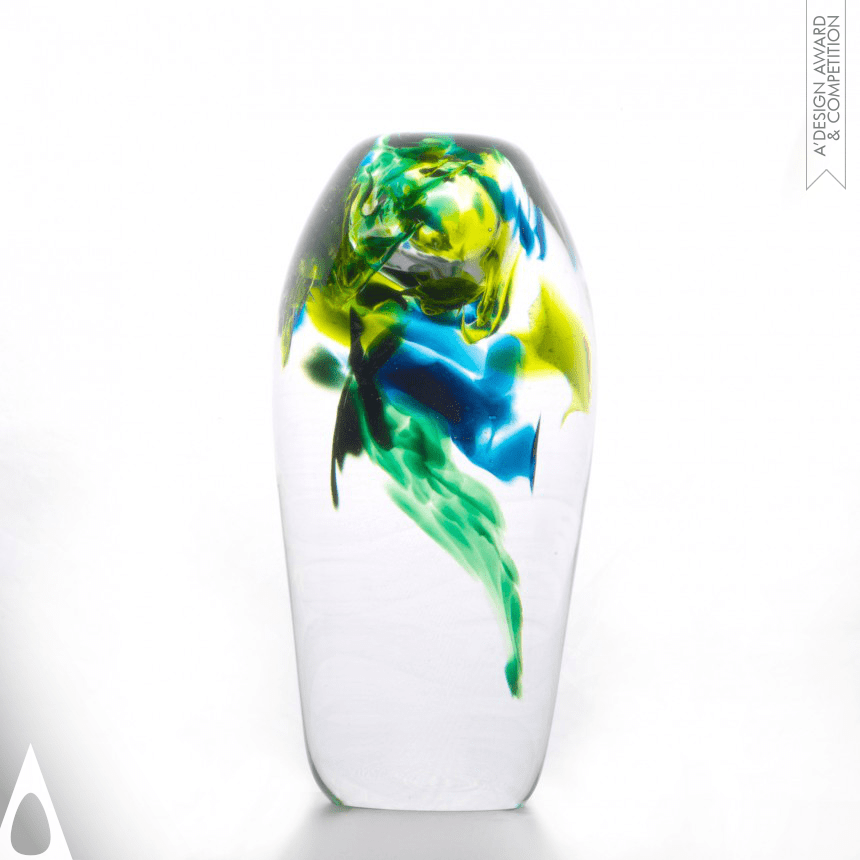
The collection aims to create vases that have unusually thick glass as their material. The space for inner part of the vase is minimized. Almost hidden. This makes the vases appear voluminous, yet light.

The Rainforest vases are a mixture of 3D designed shapes and traditional Scandinavian steamstick technique. The hand shaped pieces have extremely thick glass with weightlessly floating splashes of color. The studiomade collection is inspired by the contrasts of nature, and how it creates harmony.

The A’ Design Competition is organized annually in Como, Italy. Image by A’Design Award.

The Silver A’ Design Award is a prestigious award given to top 5% percentile designs that has achieved an exemplary level of originality in design. Entries to the A’ Furniture Design Awards are peer reviewed and anonymously judged by an expert jury panel of prominent academics, important press members and experienced professionals. Nominated furniture designs are voted on pre-determined evaluation criteria to highlight only the leading furniture design works.

Icebergs are interior sculptures. By connecting mountains, it is possible to build mountain ranges, mental landscapes made of glass. The surface of each recycled glass object is unique. Thus, each object has a unique character, a soul. Sculptures are handshaped, signed and numbered in Finland. The main philosophy behind the Iceberg sculptures is to reflect the climate change.

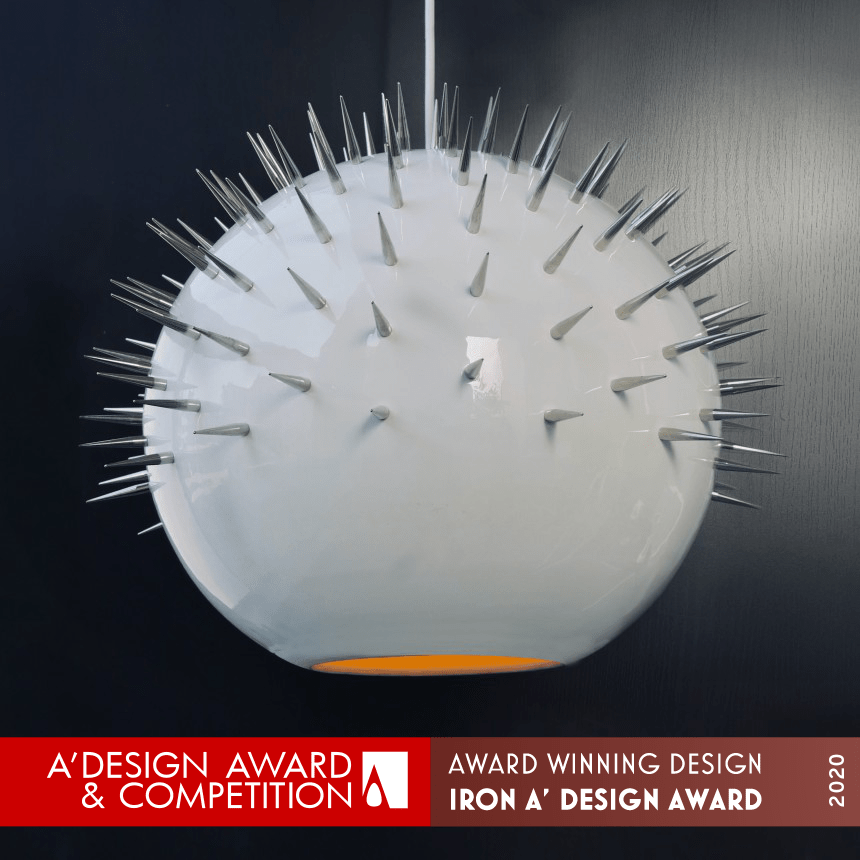
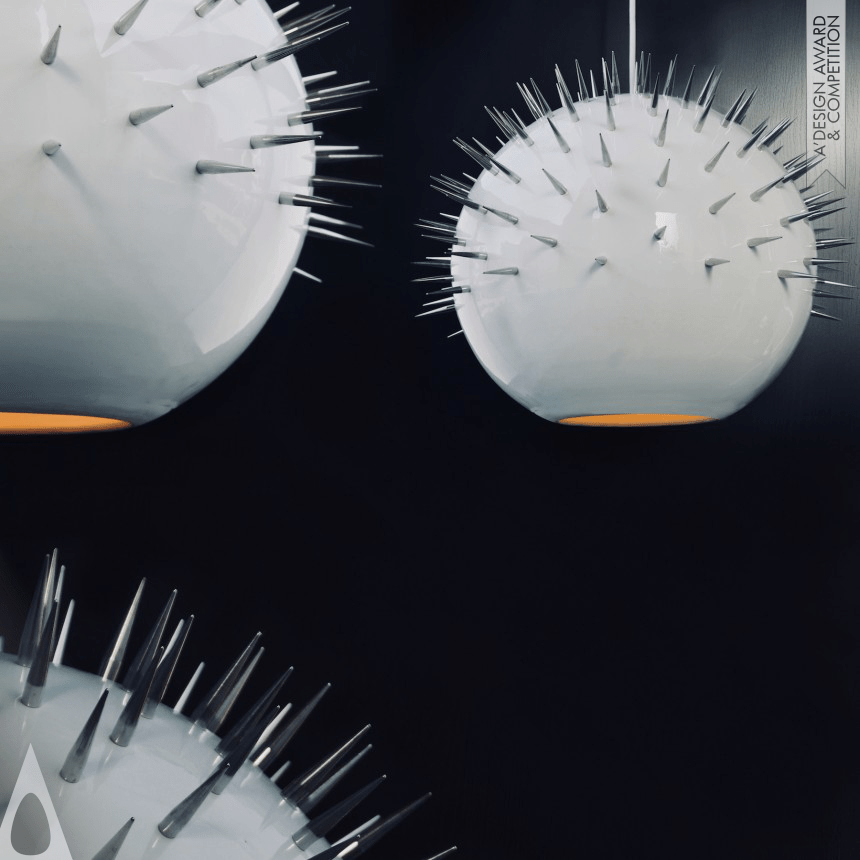
Spike lamp plays with contrasts. It is inspired by punk culture and calm Scandinavian mood. It is a voluminous piece, with warm light that is focused into a small pointy area under the piece. The Spike lamp has a aggressive appearance because of the metal spikes pointing towards the viewer. At the same time there is something calm about the smoothness of the ceramic surface and warm light. The lamp creates tension in a interior. Like an individual from a subculture.

The object is made in a two sided plaster mold by JP Studiokeramiikka. The outer surface of the ceramic object is spray glazed. The light is a dimmable LED. The diameter of the ceramic part is 350 mm x 320 mm. With the spikes the diameter of the lamp is 450 mm x 370 mm.
The Spike lamp has a aggressive appearance because of the metal spikes pointing towards the viewer. At the same time there is something calm about the smoothness of the ceramic surface and warm light. The lamp creates tension in a interior.

A’ Art Design Award aims to highlight the excellent qualifications of best art designs and greatest art design concepts worldwide. The A’ Design Accolades are organized and awarded annually and internationally in multiple categories to reach a wide, design-oriented audience. The ultimate aim of the A’ art Design Competition is to create a global awareness for good design.